Guide // Drive865 Smokies Planning
Best time to visit the Smoky Mountains
Foliage, crowds, closures, and what to drive. Four honest takes on every time of year.
Explore the current cars
Quick answer
Fall is the most popular Smokies season: peak foliage is mid-to-late October, crowds are at their highest, and the Cades Cove Loop Road is vehicle-free (cyclists and pedestrians only) all day on Wednesdays from early May through late September. Spring (April-May) is the best value trade-off: wildflowers, fewer people than fall, and roads are open and dry. Summer is the busiest overall: hot in the valleys, cool at elevation, maximum congestion on US-441. Winter is quiet and often stunning, but Clingmans Dome Road closes December 1 through March 31 and some backcountry roads close with ice.
Spring (March–May): the best overall window
March is transitional. The first half is still winter-light: cool, often grey, fewer visitors, but Clingmans Dome Road is still closed (it reopens April 1) and some higher trails hold ice. The second half wakes up: wildflowers start appearing at lower elevations, temperatures climb into the 50s and 60s, and the park gets noticeably greener each week.
April and May are the peak wildflower months. The park hosts over 1,500 species of flowering plants, and April 10 through May 10 is when the synchronized trillium bloom runs from the valley floors up to mid-elevation. Spring break in late March and early April brings crowds comparable to fall: Cades Cove fills, parking at popular trailheads goes fast, and US-441 backs up from Gatlinburg. If you're going in spring, aim for early April or the first two weeks of May.
Road conditions in spring are good: US-441 stays open year-round, and by April, Newfound Gap Road and Clingmans Dome Road are open and dry. Convertible and sports car season starts in earnest in April.
- Best spring window: April 15 – May 15
- Wildflower peak: April 10 – May 10 at lower elevations
- Spring break crowds: late March and the first week of April
- Clingmans Dome Road reopens April 1
- Top-down season begins in earnest
Summer (June–August): high crowds, cool elevation, afternoon storms
Summer is the most visited season at Great Smoky Mountains. Gatlinburg and Pigeon Forge are at maximum tourist volume. US-441 through the park corridor can back up for miles on summer weekends. Budget an extra 30–45 minutes for any drive that crosses Newfound Gap during July or August peak.
The trade-off is elevation. While the Pigeon Forge strip at 1,200 feet is hot and humid in July, the summit of Clingmans Dome at 6,643 feet is often 20–30 degrees cooler and completely above the heat haze. Summer hiking at elevation is genuinely pleasant. The park's waterfalls run well through June from spring snowmelt.
Afternoon thunderstorms are routine in July and August. High-elevation trails are not places to be exposed at 3pm. Plan hikes for early morning; afternoons work better for lower-elevation driving. Cades Cove is at its most crowded in summer, but early-morning wildlife sightings (bears, deer, turkey) are reliable if you're at the loop by 7am.
- Coolest high-elevation driving: early morning, pre-storm
- US-441 congestion: worst 10am–4pm on summer weekends
- Afternoon thunderstorms: routine July–August, clear quickly
- Wildlife at Cades Cove: best before 9am
- Waterfalls: run well through June
Fall (September–November): peak season, peak colors, plan ahead
Fall is the most popular season in the park, and with good reason: the hardwood canopy at mid-elevation turns gold, orange, and crimson in waves that run from the summit down to the valley over about six weeks. Peak color at the upper elevations (above 4,000 feet) typically lands the first week of October. Peak at mid-elevation hits mid-October. The valley floors go last, often into early November.
Mid-October is the single most crowded week in the park, most years. Parking at every popular trailhead fills before 9am, and a Park It Forward parking tag is required to park more than 15 minutes. Cades Cove traffic backs up the worst this week. US-441 can take an hour to drive a distance that takes 20 minutes in January. Book your car and accommodations months out if you're targeting peak foliage.
The practical workaround: arrive any day in the first or second week of October, which has most of the color with fewer people. Or shift to the last week of October, when the crowds thin slightly but the valley-floor color is often at its best. The park doesn't get less beautiful after October 20. It gets quieter.
- Upper-elevation peak: first week of October
- Mid-elevation peak: mid-October
- Valley-floor peak: last week of October to early November
- Book accommodation and cars 2–3 months out for mid-October
- Shoulder windows: late September and early November
Winter (December–February): quiet, cold, often beautiful
Winter is the park's quietest season. Visitor numbers drop to a fraction of summer volume. Trails that were packed in October are empty in January. If you've ever wanted to walk through an old-growth hemlock forest in absolute silence with snow on the branches, January in the Smokies delivers that.
The catch: Clingmans Dome Road closes December 1 and reopens April 1. The summit is inaccessible by car in winter. Some backcountry roads and gravel roads close with ice or snow, and conditions can change quickly at elevation. US-441 over Newfound Gap stays open year-round and is plowed, but use caution in winter conditions.
Gatlinburg and Pigeon Forge are open year-round and can be oddly crowded around Christmas and New Year's, so the true quiet window is January and February excluding the MLK Day weekend. For a winter Smokies trip, Cades Cove is excellent: fewer people, better chance of seeing bears in their winter range, and the cabin structures look exactly right with frost on the ground.
Road closures and seasonal conditions by season
Clingmans Dome Road is the main seasonal closure: December 1 through March 31, every year. Newfound Gap Road (US-441 over the mountain between Gatlinburg and Cherokee) is open year-round but closes temporarily for snow removal and ice. Roaring Fork Motor Nature Trail typically closes in winter. Cades Cove Loop stays open year-round.
Cades Cove has a different schedule restriction: from early May through late September, the loop is reserved for cyclists and pedestrians all day every Wednesday, no motor vehicles. If you're driving the loop on a Wednesday in those months, you won't be able to enter at all that day, so plan around it.
Check the park's road conditions page (nps.gov/grsm) before any drive that uses elevation. Conditions can change overnight, especially March–April and October–November.
What to drive each season
Spring and fall are the seasons for open-top driving. The Foothills Parkway's ridgeline views are spectacular with a convertible top down in April or October, and the Dragon is at its best when pavement is dry, temperatures are in the 60s, and the canopy is at peak color or full leaf.
Current cars for your trip
See full fleet →Compare prices for your dates
6 current options. Enter your trip times once, then choose a vehicle to check availability.
Earliest pickup: today at 2:30 PM ET.
Estimates include rental taxes. Optional extras and airport exit parking are separate. Your dates carry through to the vehicle page.

2019 Mazda MX-5 Miata RF 30th Anniversary
2 seats · Manual · RWD · Convertible
View vehicle & pricing →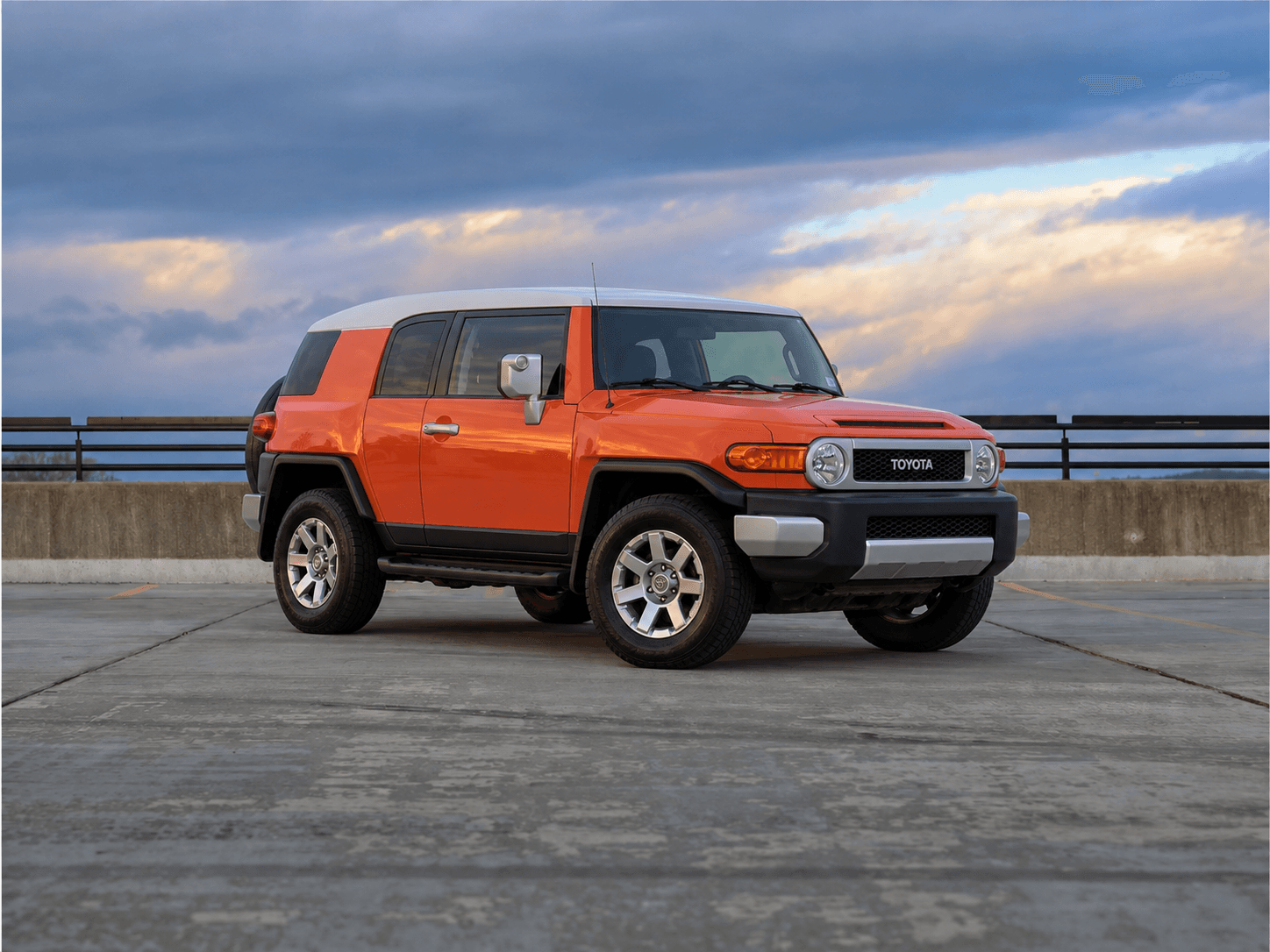
2014 Toyota FJ Cruiser Base
5 seats · Automatic · 4WD
View vehicle & pricing →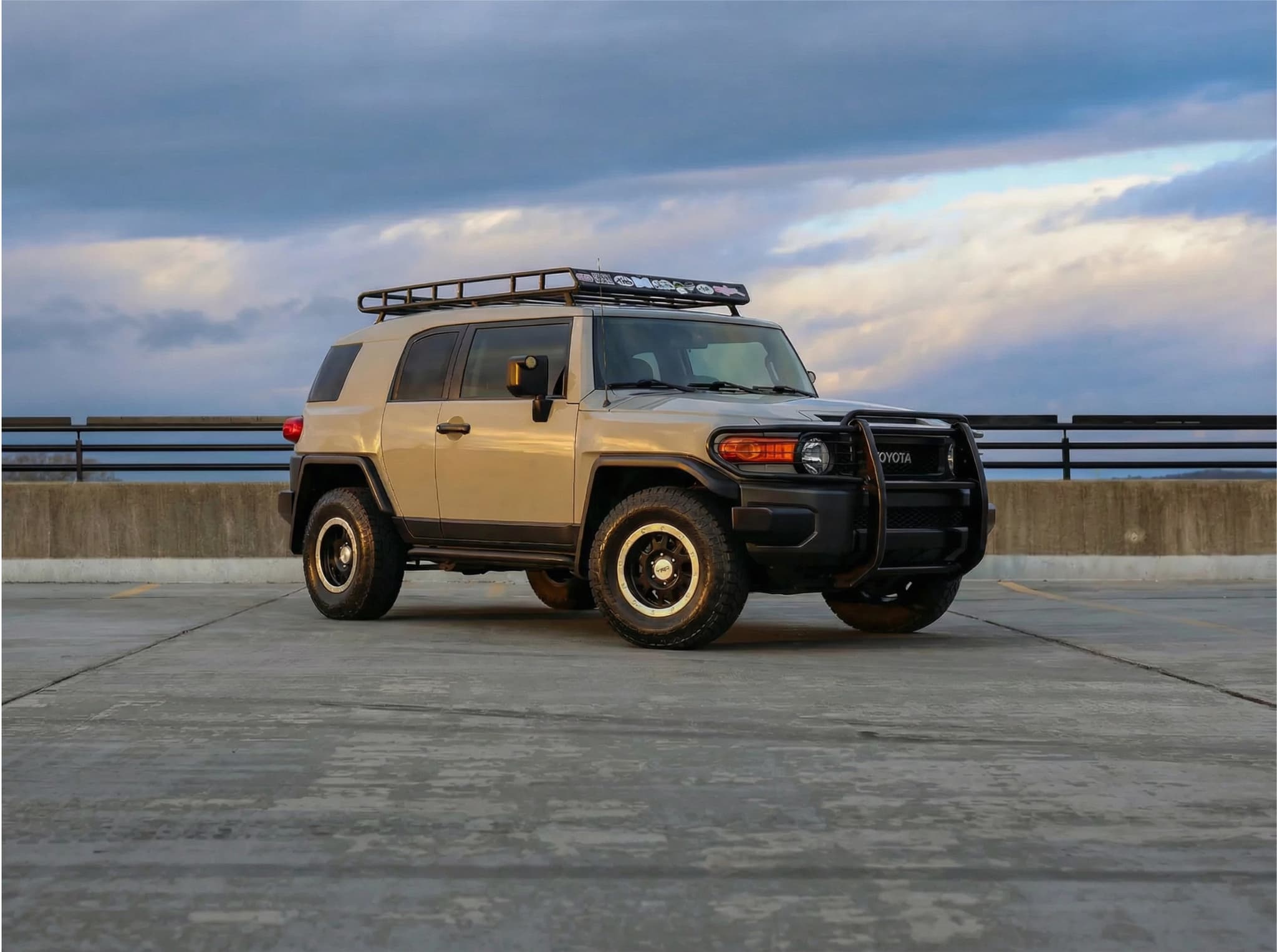
2013 Toyota FJ Cruiser Trail Teams
5 seats · Automatic · 4WD
View vehicle & pricing →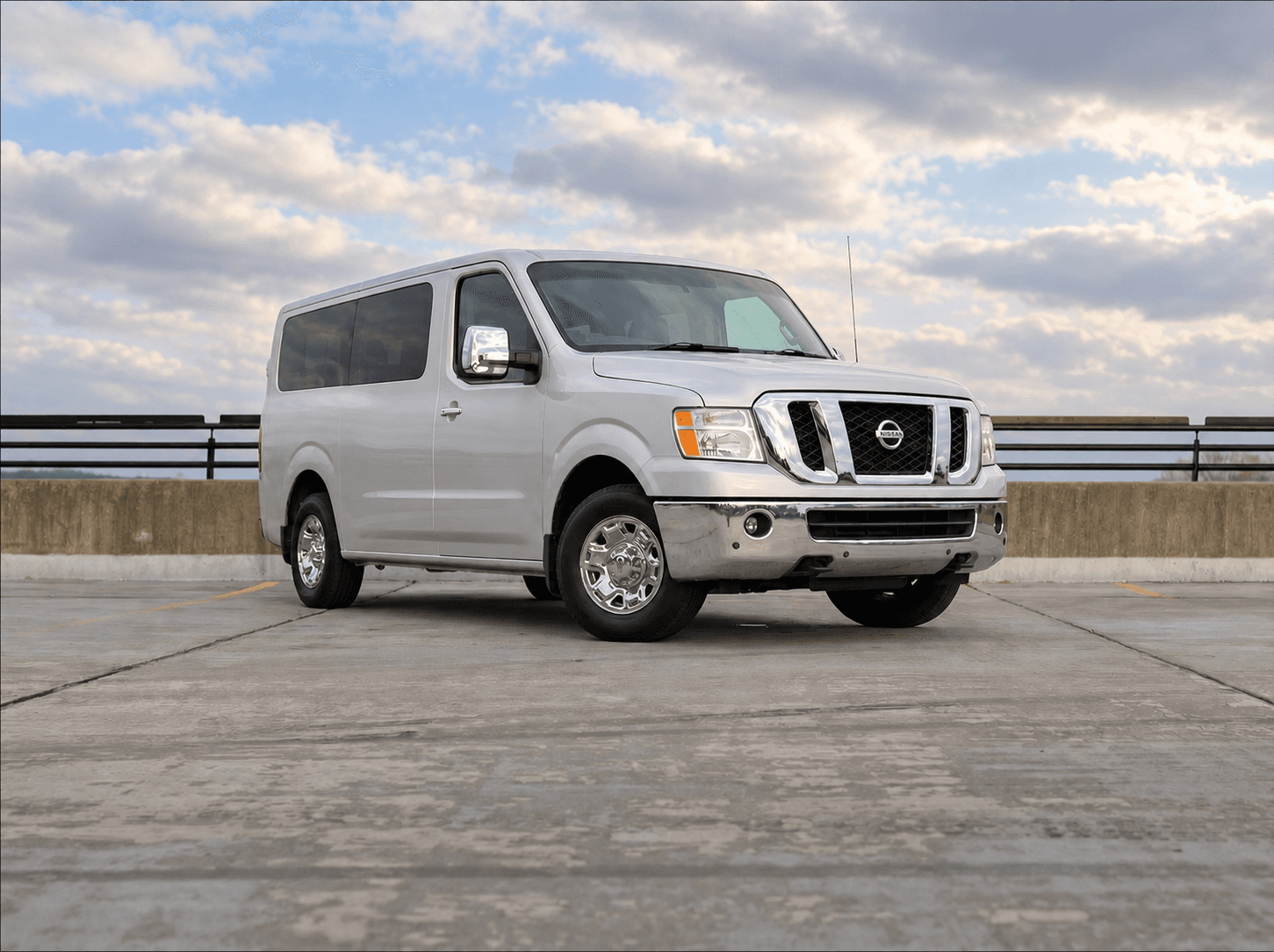
2014 Nissan NV Passenger SL
12 seats · Automatic · RWD
View vehicle & pricing →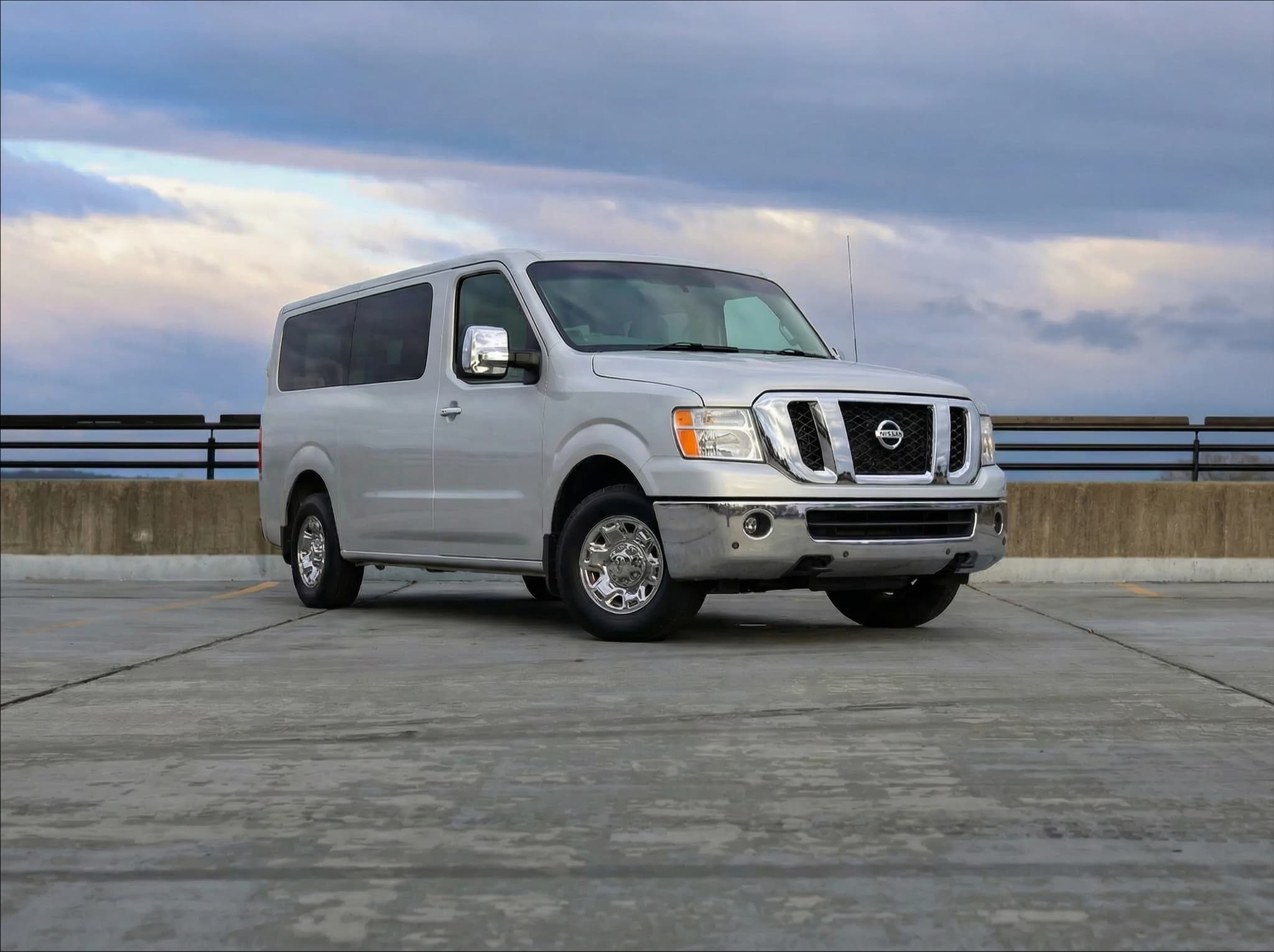
2017 Nissan NV Passenger SL
12 seats · Automatic · RWD
View vehicle & pricing →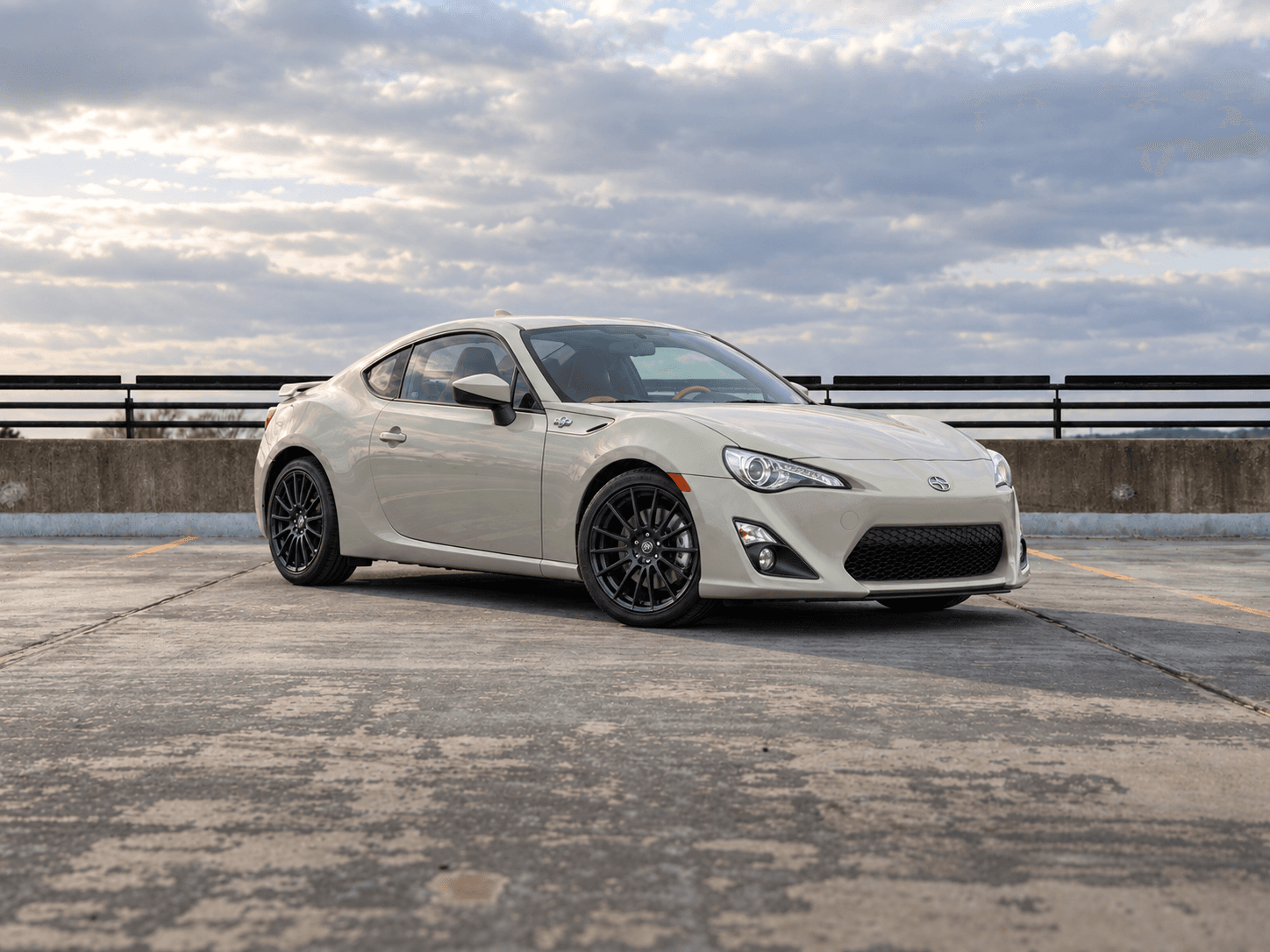
2016 Scion FR-S Release Series 2.0
4 seats · Manual · RWD
View vehicle & pricing →Ready to request a trip? You'll create an account, verify your email and phone, and provide your driver's license, a selfie and insurance details before submitting. A request is reviewed before your booking is confirmed.
Need help with seating, luggage or pickup? Ask us before you book.
Frequently asked questions
What is the busiest month in the Smoky Mountains?
October, specifically the two weeks around peak foliage (roughly October 8–22). June, July, and August are cumulatively the highest-volume months, but no single week matches mid-October for raw visitor count. Plan accordingly: book cars and accommodation early and arrive before 9am for any popular destination.
When does Clingmans Dome Road close?
December 1 through March 31, every year. The road is gated at the entrance for the entire winter season regardless of conditions. The rest of the park remains open.
When is the best time for Cades Cove wildlife viewing?
Early morning, year-round. The hour after sunrise is consistently the best window for bear, deer, and turkey sightings on the loop. Late afternoon is second-best. Midday in summer is the worst time. Heat and visitor volume both work against you. Fall mornings in October are the single best combination of light, color, and active wildlife.
Is it worth visiting the Smokies in winter?
Yes, if you're flexible about which roads are open. Clingmans Dome is inaccessible, but everything else in the park is available, uncrowded, and often more beautiful: snow on the peaks, no parking fights, no traffic on Newfound Gap Road. January and February are the best quiet-season months. Just check road conditions before driving at elevation.
What are fall traffic conditions like?
Peak-week October traffic on US-441 through the park corridor can be genuinely bad: not a highway traffic jam, but a slow rolling crawl through Gatlinburg and into the park. Arrival before 9am and departure after 5pm avoids the worst of it. The Foothills Parkway and Cherohala Skyway are alternative driving routes that stay less congested even on peak fall weekends.
When is the best time to drive Tail of the Dragon?
April through October, with May and October being the sweet spots. Spring days in May are warm, roads are dry, and the canopy is at full leaf. October brings color and cool temperatures. Avoid July and August midday. The Dragon is technical enough that you don't want to be fighting afternoon heat through a helmet on a motorcycle or a warm cockpit in a sports car. The road is open year-round but can ice in winter at the elevation near Deals Gap.
How do I see pricing and request a booking?
Open a vehicle and select your trip start and end dates and times to see pricing. A listed vehicle is not a guarantee of availability for your dates. Continue from the vehicle page to submit a booking request.
Where do I collect the car?
Choose Maryville pickup or contactless delivery at McGhee Tyson Airport (TYS). Review the pickup instructions for your confirmed booking before traveling. Airport delivery has no separate delivery charge. Customer responsible for airport parking fee upon exit, typically no more than $13
Related
Related
Smoky Mountains: attraction page
Drive865's overview of the park, the roads worth driving, and which vehicles match each route.
Related
Cades Cove driving guide
Full loop logistics, vehicle-free Wednesdays, wildlife timing, and historic structures.
Related
Clingmans Dome
The highest point in the Smokies: seasonal road closure, best conditions, and drive time from TYS.
Related
Foothills Parkway
The Smokies' ridgeline drive. Best in fall, and underrated in spring when the valleys are green.
Current scenic-road choices