Guide // Drive865 on rental insurance

Rental car insurance in Tennessee — explained plainly

CDW, LDW, liability supplements, Turo's protection plans, your credit card's coverage, your personal policy's extension. Here's what each one actually is and how they interact.

9 min read

Quick answer

Most drivers in the US already have meaningful rental car coverage through their personal auto policy, their credit card, or both — and they don't know it. In Tennessee, the legal minimum liability is 25/50/15 ($25,000 bodily injury per person, $50,000 per accident, $15,000 property damage). Rental companies offer CDW (Collision Damage Waiver) and LDW (Loss Damage Waiver) to eliminate your out-of-pocket responsibility for damage to the rental car itself. Whether you need those depends on what your existing coverage already provides. We're not going to tell you to buy or skip anything — this guide explains what each layer does so you can make an informed decision.

Tennessee's legal minimums — what the state requires

Tennessee requires all registered vehicles to carry minimum liability insurance: $25,000 per person for bodily injury, $50,000 per accident for bodily injury, and $15,000 for property damage. This is commonly written as 25/50/15. These minimums apply to the vehicle being operated — in a rental situation, either your personal policy extends to cover the rental, or the rental company's coverage becomes the baseline.

Tennessee is a fault state for car insurance, which means the at-fault driver's liability insurance is responsible for the other party's damages. If you cause an accident in a rental car and your personal policy doesn't extend to the rental, you're personally liable for damages up to the policy limits of whatever coverage applies — or beyond them if the accident exceeds those limits.

Uninsured motorist coverage (UM) and underinsured motorist coverage (UIM) are not required in Tennessee but can be purchased. They protect you if you're hit by someone with no insurance or insufficient coverage. These apply to you as a person in a vehicle — your personal UM/UIM typically follows you into a rental car if you carry it on your personal policy.

What your personal auto insurance policy covers

Most standard personal auto insurance policies extend to rental cars in the United States. The key phrase is 'in the same way as your covered vehicle.' If you carry comprehensive and collision on your personal vehicle, those coverages typically extend to a rental car. If you carry liability-only, only liability extends — meaning you'd be responsible for damage to the rental car itself out of pocket.

The extension applies for personal use — leisure driving, vacation travel, and similar purposes. It typically does not apply to vehicles rented for business (use your business auto policy or the rental's coverage for that), to vehicles rented outside the US, or to vehicles that are significantly larger or more expensive than what your policy normally covers (some policies exclude exotic or specialty vehicles — if you're renting a Supra or MR2, this is worth a quick call to your carrier to verify).

Your personal policy deductible applies in a rental car claim, just as it would in a claim on your own vehicle. If you have a $1,000 deductible and a tree falls on the rental, you pay $1,000 and your insurance pays the rest (up to limits). Your personal policy's collision and comprehensive limits govern the amount, and a rental car claim can affect your personal policy premium just as a claim on your own car would.

  • Verify your policy covers rental cars — call your carrier or read the declarations page
  • Comprehensive and collision on personal vehicle = typically extends to rental
  • Liability only on personal vehicle = no coverage for damage to the rental car itself
  • Exotic or specialty vehicles may be excluded — call to confirm for sports car rentals
  • Your personal deductible applies to rental car claims
  • A rental car claim can affect your personal policy premium

What credit cards cover — and what they don't

Many credit cards offer rental car coverage as a cardholder benefit when you pay for the rental with that card. The coverage is almost always secondary — meaning it kicks in after your personal auto insurance has paid first. Some premium travel cards (Chase Sapphire Reserve, Amex Platinum, and similar) offer primary coverage, meaning they pay before your personal policy is involved. Primary coverage is meaningfully better because no personal policy claim means no potential premium impact.

Credit card rental coverage generally covers damage to the rental vehicle only — not liability for damage to other vehicles or property, not medical expenses, not your personal belongings. It also typically excludes trucks over a certain GVWR, motorcycles, exotic cars (definition varies by card), and vehicles rented outside the country of your card issuance. The specific exclusion list varies by card and is in the benefit guide that most people never read.

To activate credit card coverage, you typically need to decline the rental company's CDW/LDW at checkout and pay the entire rental with the eligible card. If you accept CDW from the rental company, the card coverage is voided. Read the specific benefit guide for your card — the terms vary enough that a general summary can be misleading on specifics that matter.

CDW and LDW explained

CDW — Collision Damage Waiver — is not technically insurance. It's a waiver in which the rental company agrees not to hold you responsible for damage to the rental vehicle from a collision, up to certain conditions. If you damage the car in a collision, the CDW means the rental company will not charge you for the repair. CDW typically excludes damage caused by driving on unpaved roads, damage from intoxicated operation, damage from intentional acts, and sometimes damage from single-vehicle rollovers.

LDW — Loss Damage Waiver — is CDW plus theft protection. If the rental car is stolen or vandalized, LDW means you're not responsible for the loss. CDW alone doesn't cover theft. Most rental companies offer LDW as the standard upsell product at the counter, even if they label it CDW (the terminology is used loosely in the industry).

What CDW and LDW do not cover: your liability to other parties for bodily injury or property damage, your medical expenses, your personal property inside the car. They cover damage to the rental car itself. The rental company's counter staff will sometimes present CDW as if it covers everything — it doesn't. If you want liability protection beyond Tennessee's minimums, that's a separate product (sometimes called SLI, or Supplemental Liability Insurance).

How Turo's protection plans work

If you're booking a Drive865 car through Turo rather than directly, Turo's protection plans replace the rental company's CDW/LDW. Turo offers three standard levels: Basic, Standard, and Premier. Basic covers 60% of covered physical damage costs, leaving you responsible for 40% (the 'guest deductible' under Basic can be significant). Standard covers 90% of covered damage costs. Premier provides full physical damage coverage with no out-of-pocket for the renter.

Turo's protection also includes third-party liability coverage for all plans — up to $750,000 per accident for liability claims against you as the renter. This is substantially more than Tennessee's minimums and more than most rental companies' base liability. The specific terms of what constitutes a covered claim (and what exclusions apply) are in Turo's protection plan documents, which are worth reading before you book if insurance coverage is a primary concern for your trip.

Choosing a Turo protection plan is a real decision with real tradeoffs. Premier is the most expensive plan and provides the most coverage. Basic is the cheapest but leaves meaningful out-of-pocket risk. Whether the gap between plan levels is worth the cost delta depends on your personal risk tolerance, whether your personal auto policy already extends to Turo rentals (some do, some don't — call your carrier), and whether your credit card provides applicable coverage. Turo's platform makes the plan comparison straightforward at checkout.

What Drive865's rental agreement requires

When you book directly with Drive865, our rental agreement requires renters to have valid auto insurance coverage that extends to the rental vehicle. We verify a current insurance card at pickup. If your personal policy covers rental cars (most standard personal auto policies do), you're covered on our end. If you have liability-only coverage and no other coverage for the rental vehicle itself, that's a conversation to have before you pick up the car — not in the Economy Lot parking lot.

Drive865 does not currently sell CDW, LDW, or supplemental liability insurance directly. We're not an insurance company. The coverage layer for damage to our vehicle comes from your personal policy, your credit card benefit, or Turo's protection plan (if booking through Turo). Our rental agreement specifies the renter's responsibility for damage to the vehicle and the process for documenting condition at pickup and return.

We do a documented condition check at pickup and return. You photograph the car from all four corners and the roof before leaving the lot. Those photos are the record of condition. If something happens during the rental, the claim process runs through whichever coverage applies. Having the right coverage in place before you pick up the car makes everything cleaner for everyone.

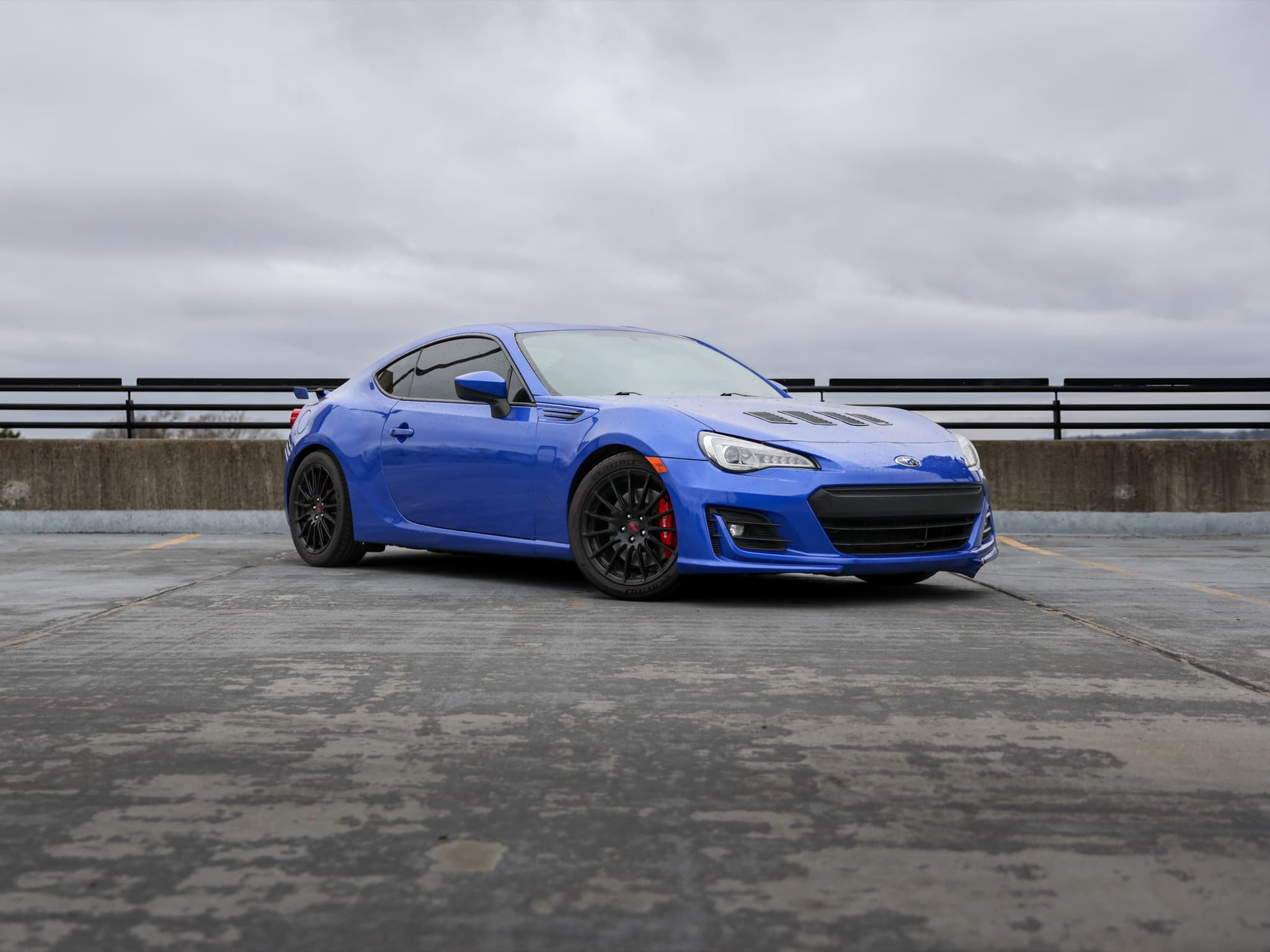
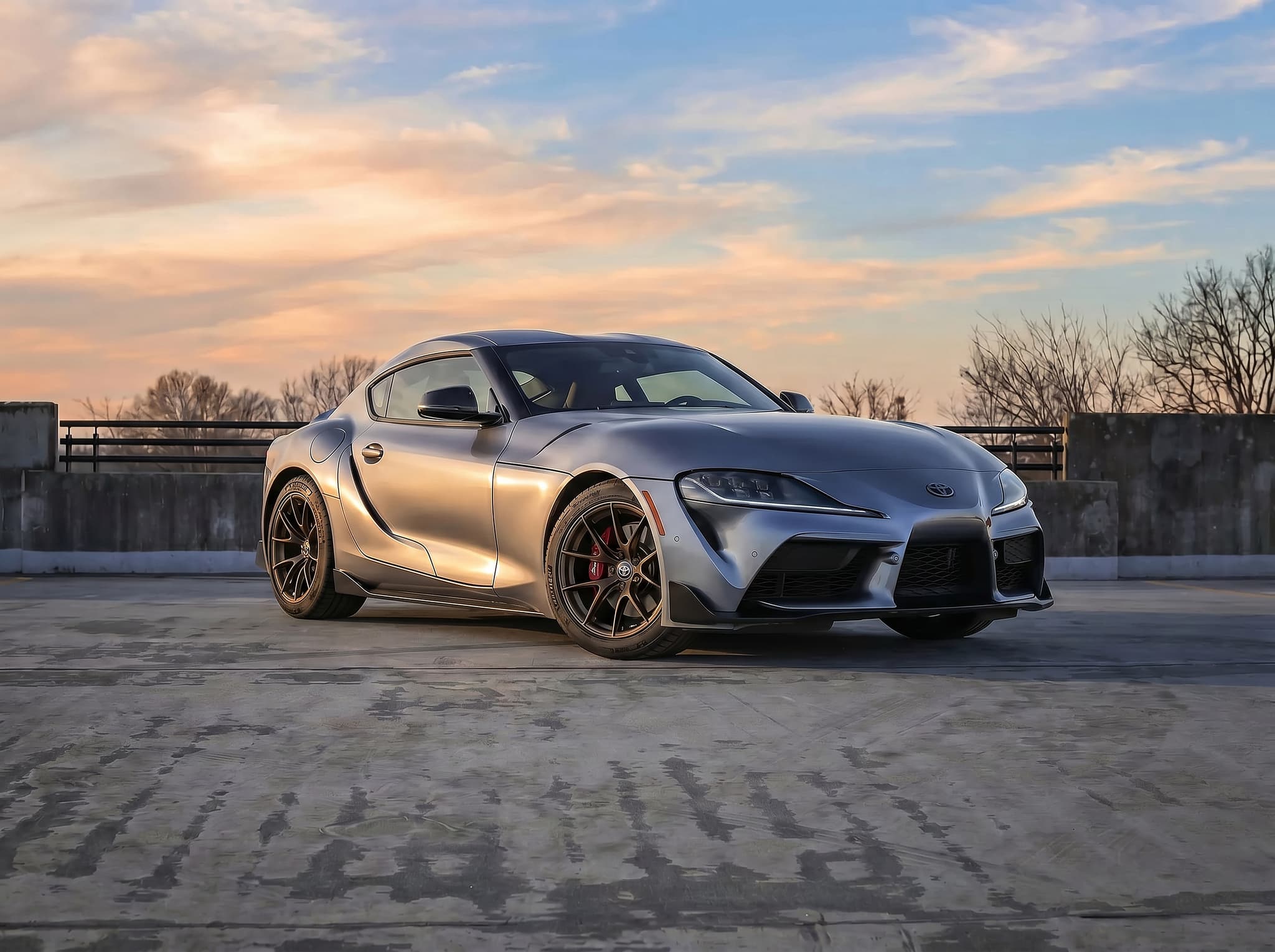
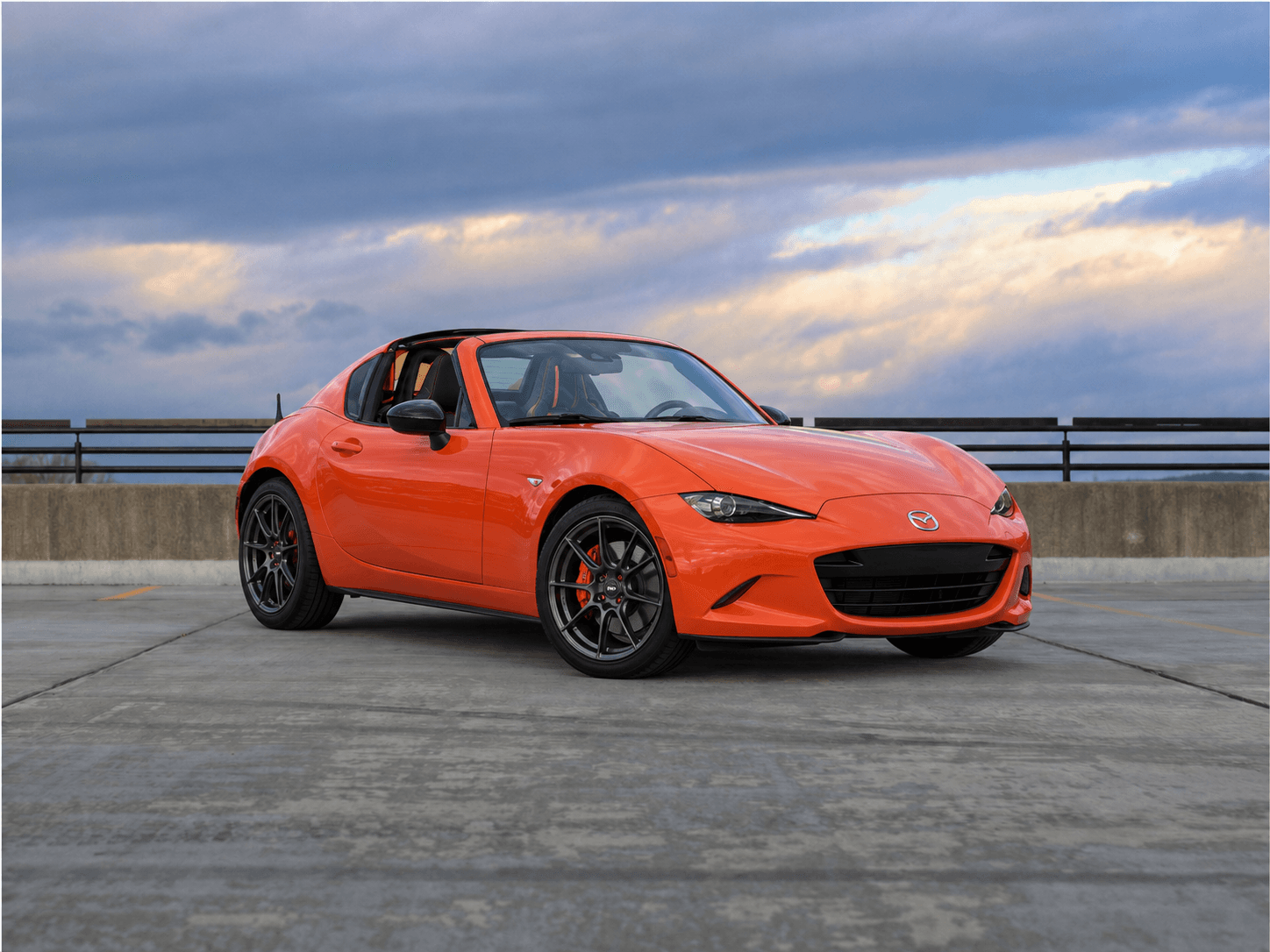
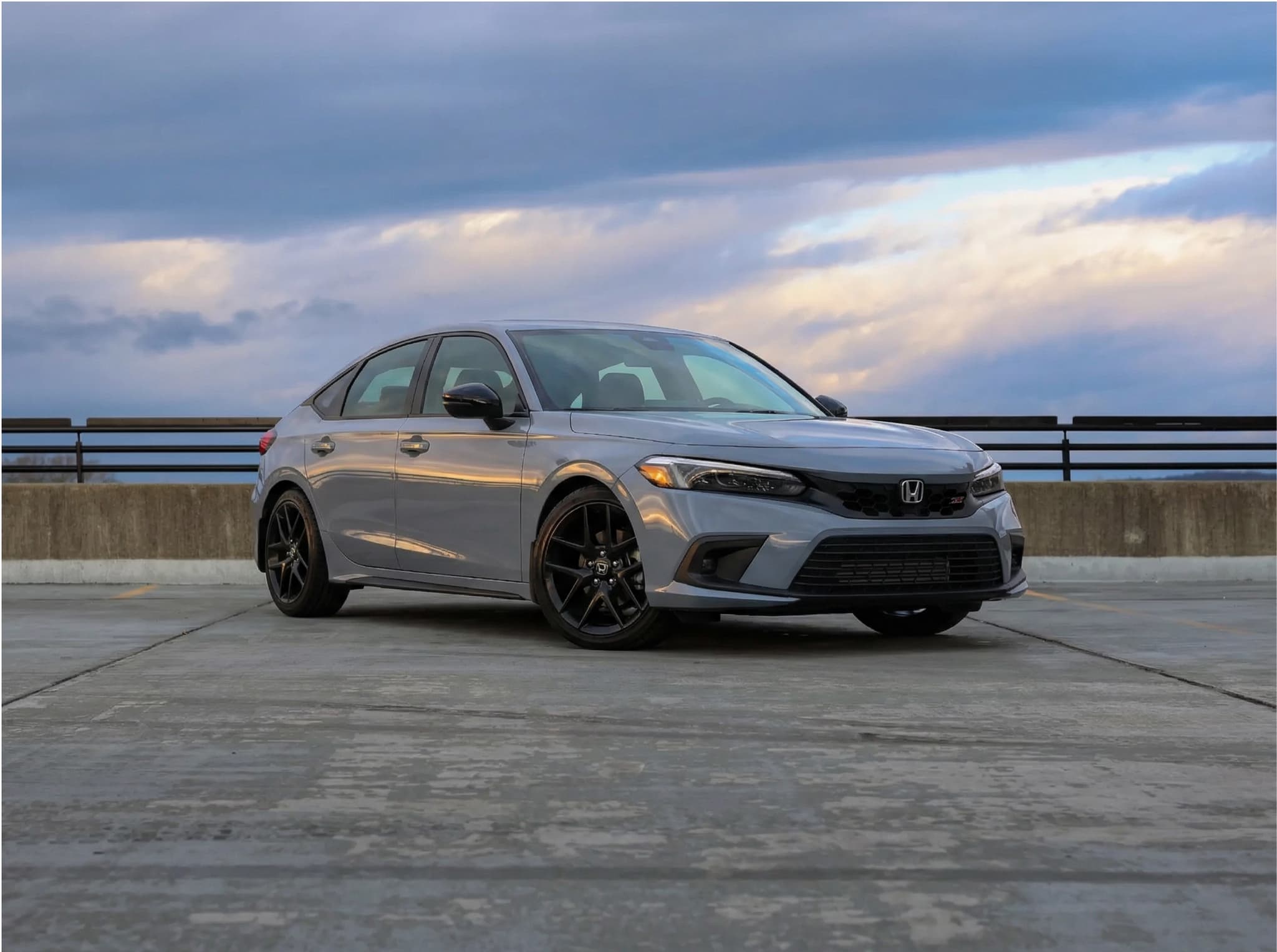
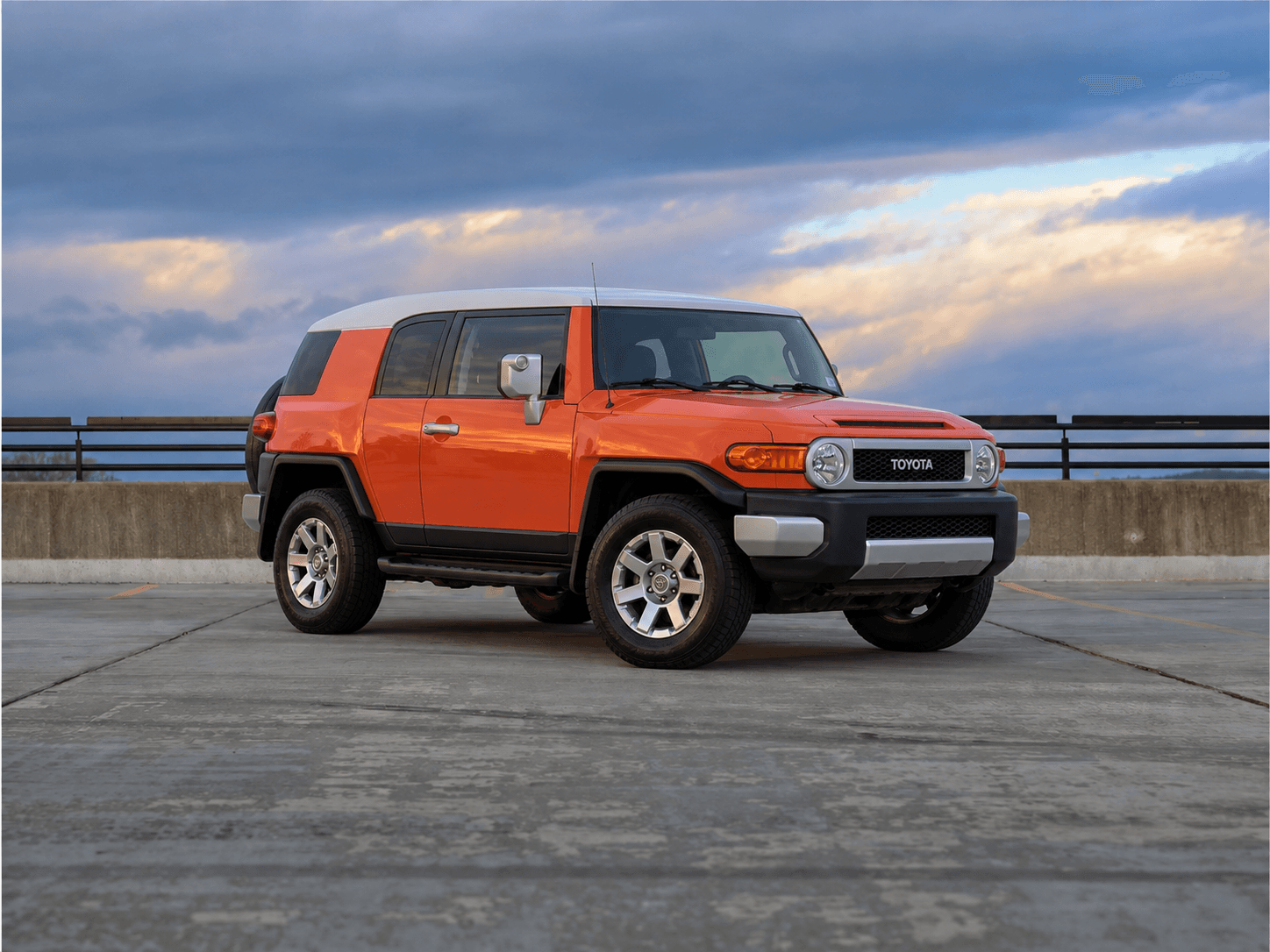
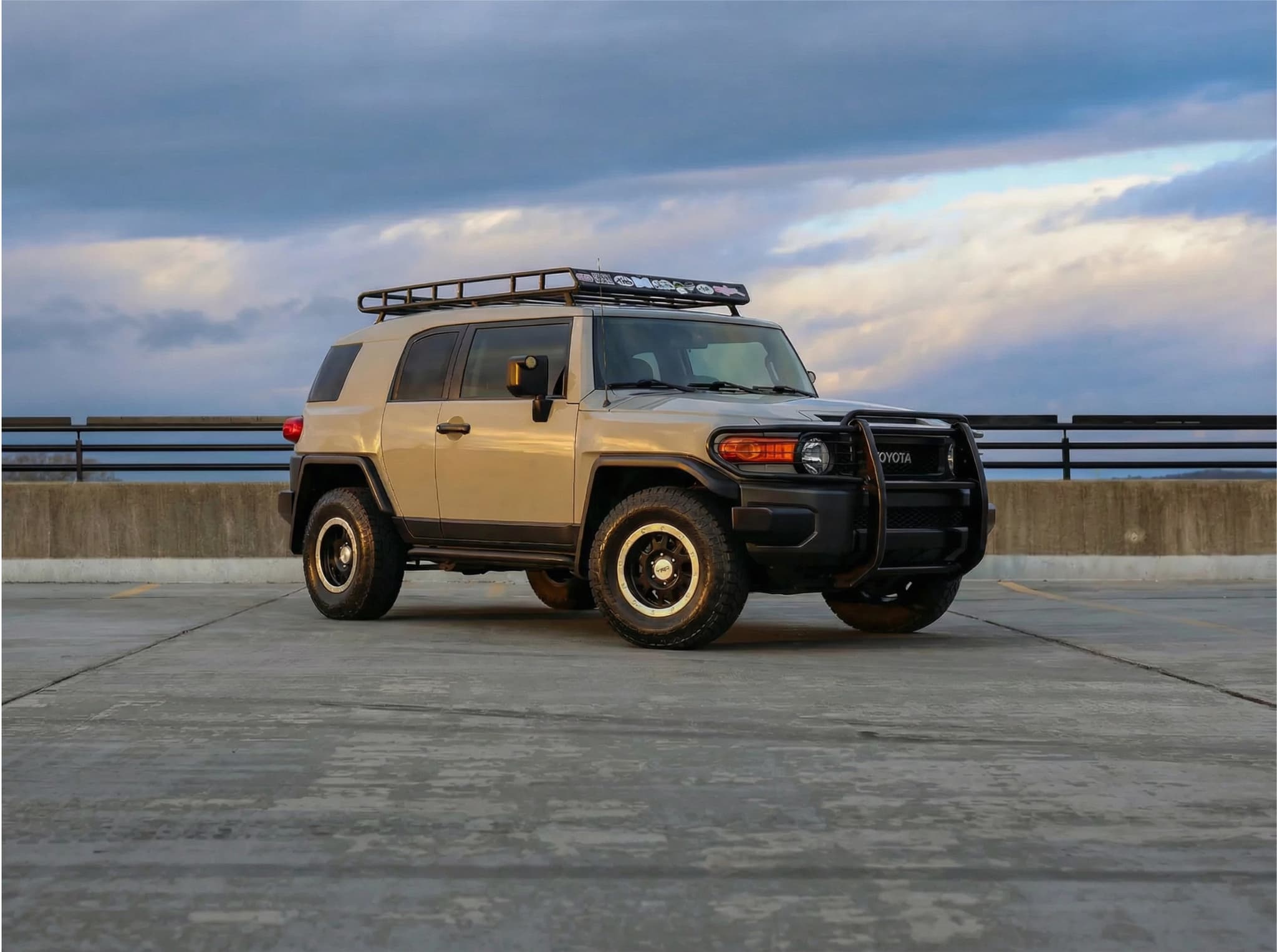
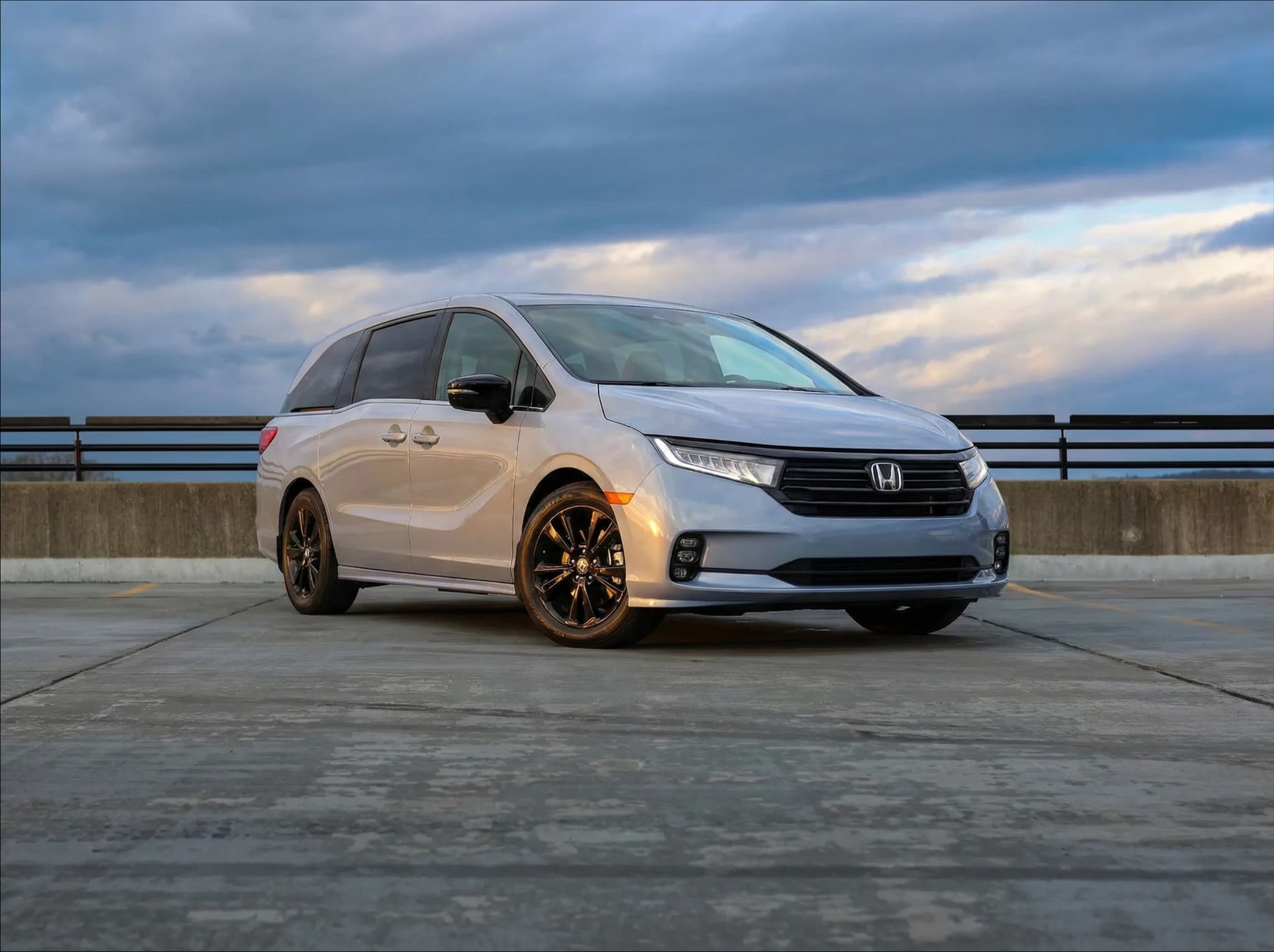
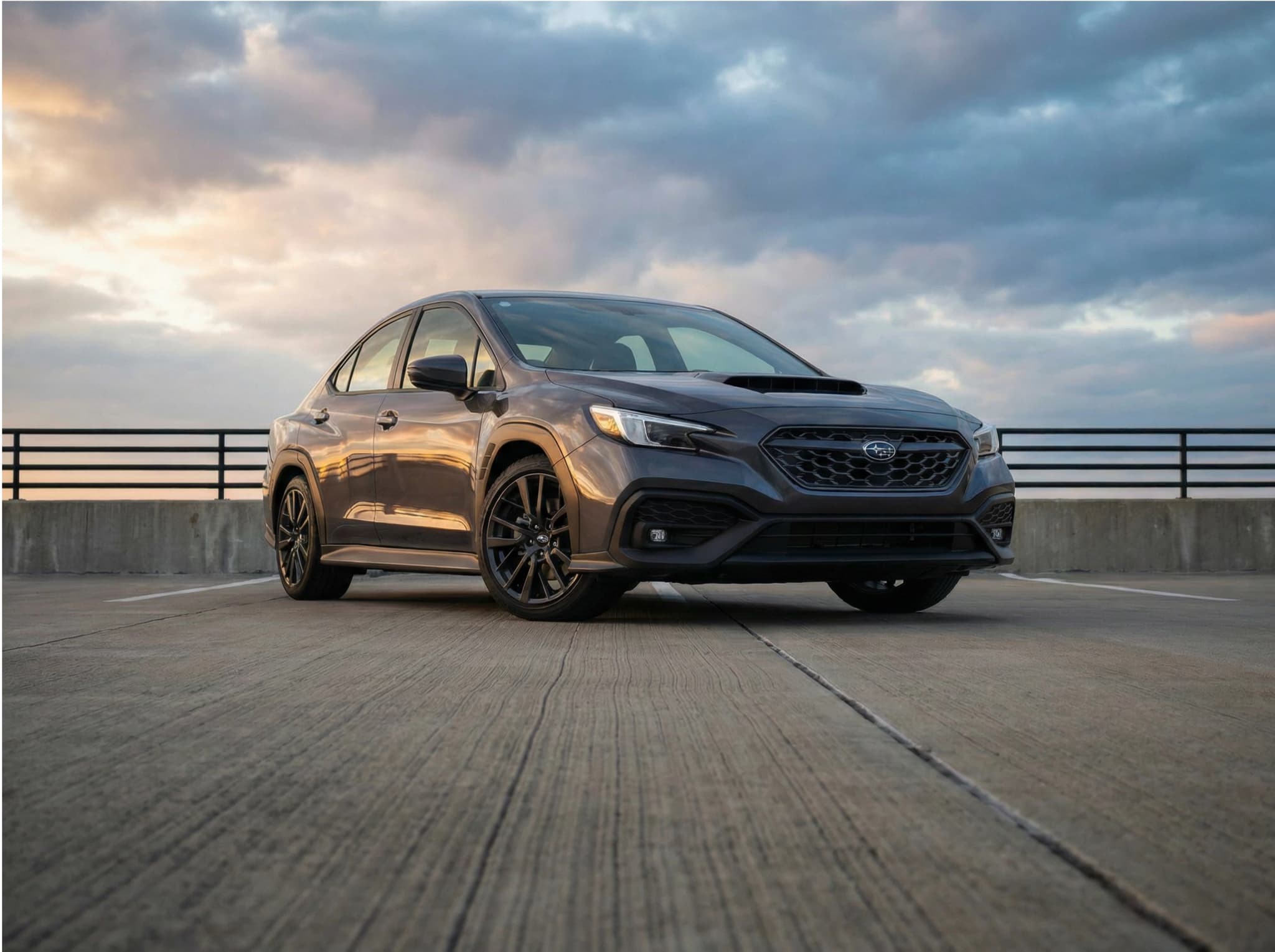
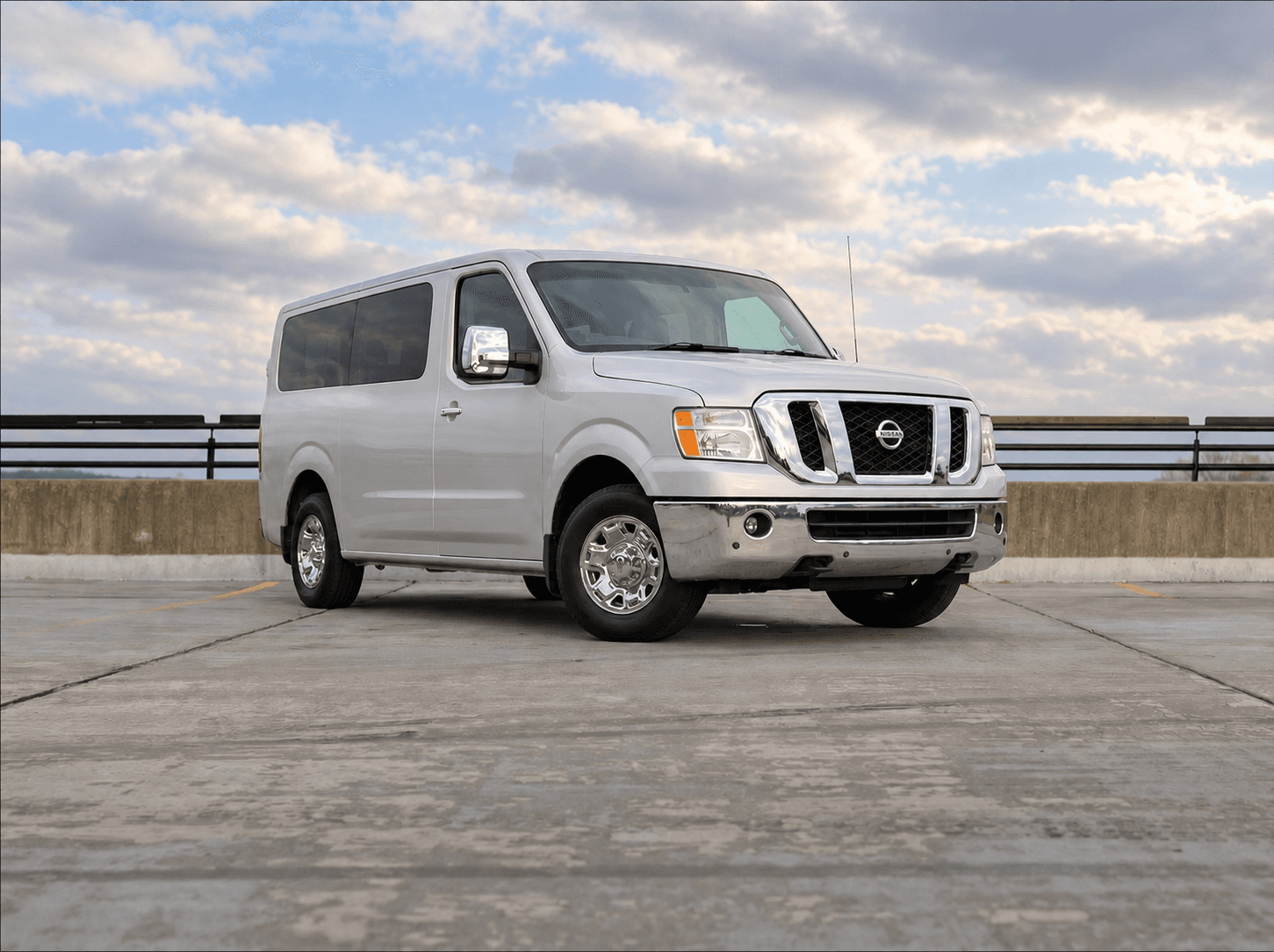
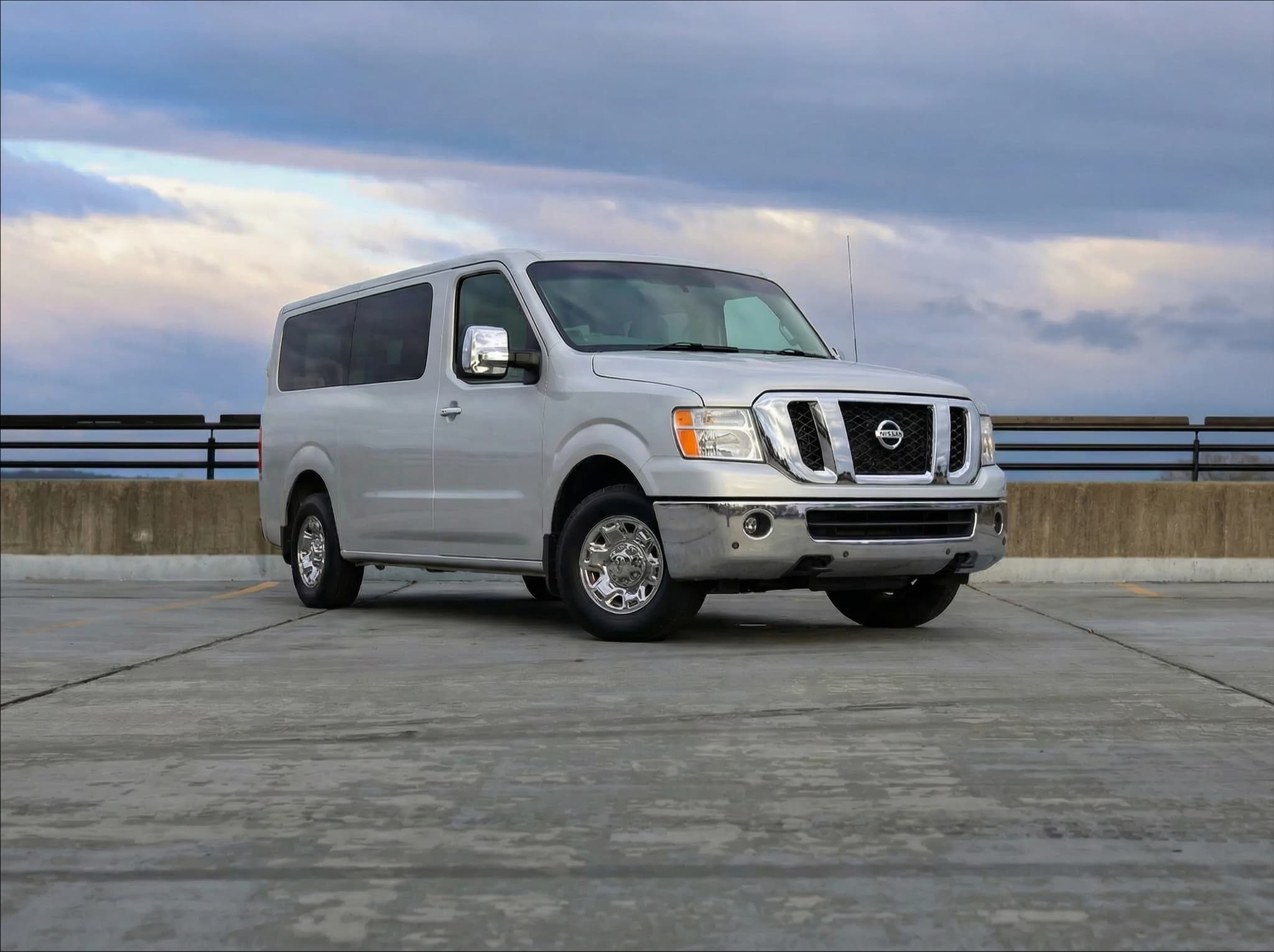
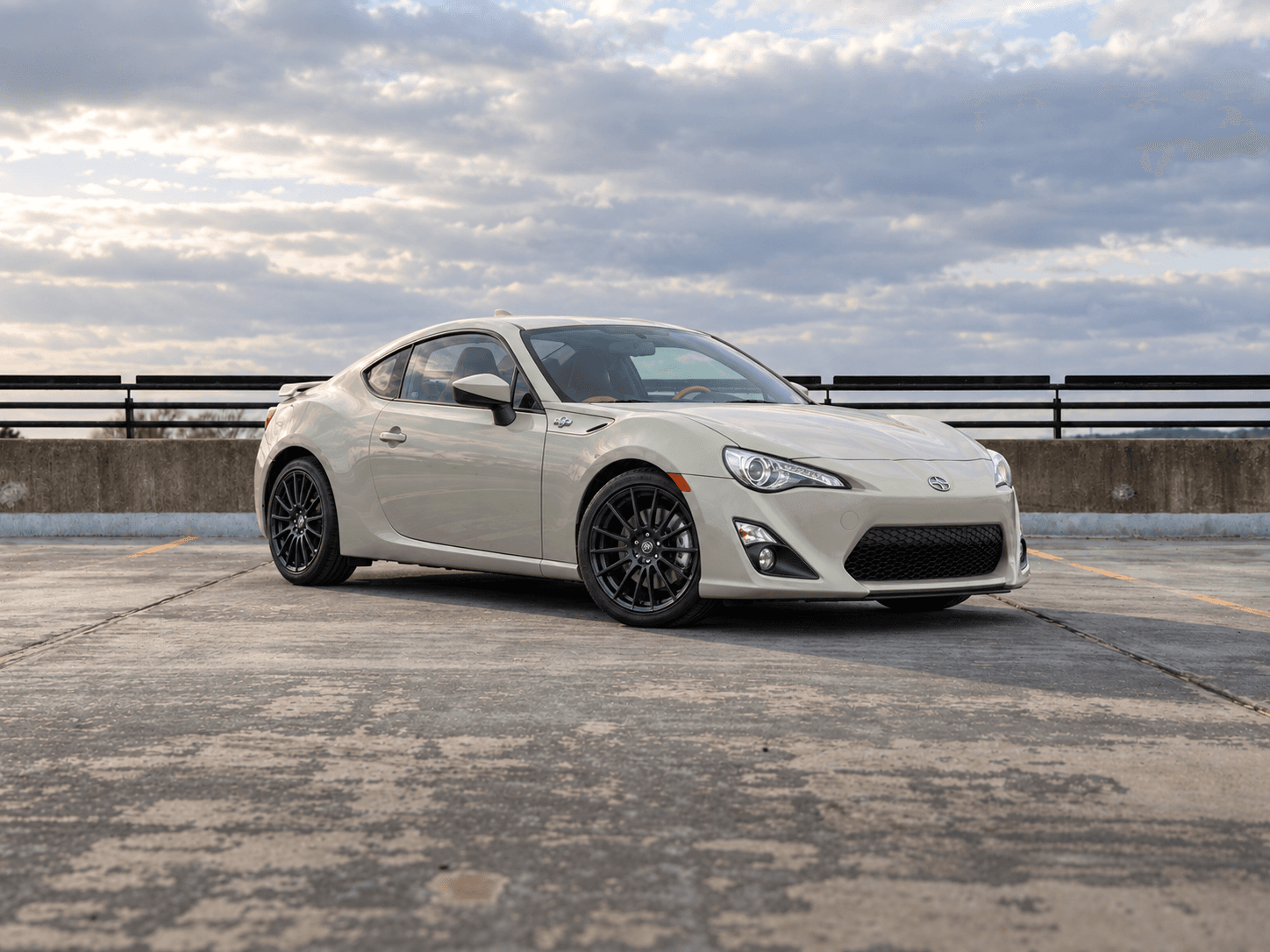
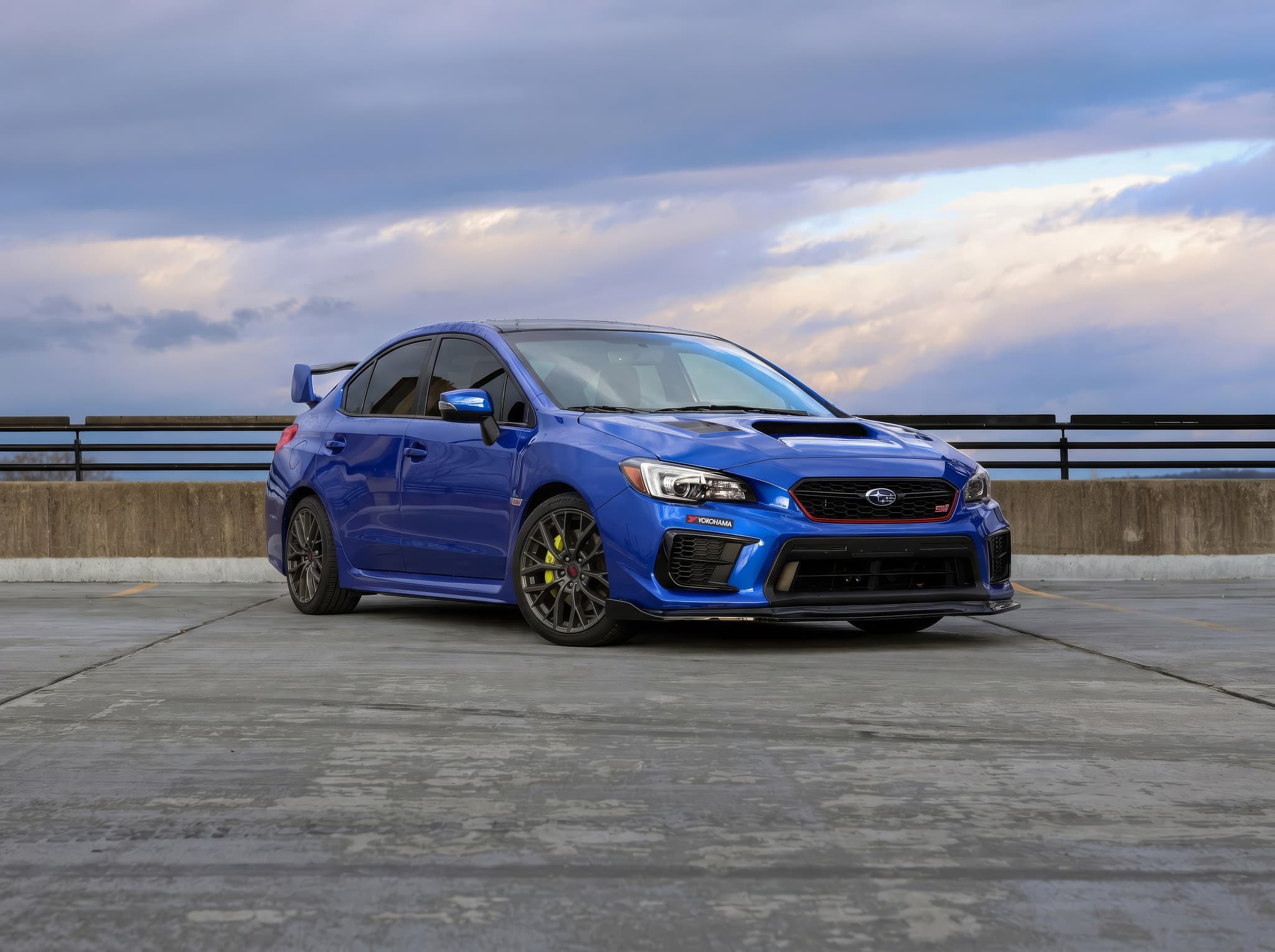
Cars referenced in this guide

See full fleet →

Frequently asked questions

Do I need to buy the rental car insurance offered at the counter?

That depends on what existing coverage you have. If your personal auto policy extends to rental cars with comprehensive and collision coverage, you likely don't need CDW from the rental company. If your credit card offers primary rental car coverage, you may not need it either. If you carry only liability on your personal vehicle and your credit card doesn't cover rentals, then CDW from the rental company (or the Turo plan, if booking through Turo) protects you against out-of-pocket costs for damage to the rental car. Check your existing coverage before you decide.

Does my personal auto insurance cover a rental car in Tennessee?

For most standard personal auto policies, yes — your coverage typically extends to rental cars for personal use in the US in the same way it applies to your covered vehicles. Liability, comprehensive, and collision all typically follow. Call your insurer to confirm, and specifically ask about sports or specialty vehicles if you're renting something like a Supra or BRZ.

What is the difference between CDW and LDW?

CDW (Collision Damage Waiver) covers damage to the rental car from a collision. LDW (Loss Damage Waiver) covers both collision damage and theft of the vehicle. CDW alone does not cover theft. In practice, rental companies often use the terms interchangeably, but read the product description to confirm what's included.

Does my credit card cover rental cars in Tennessee?

Many do, but coverage varies significantly by card. Most credit card rental coverage is secondary (pays after your personal insurance) and covers damage to the rental vehicle only — not liability to third parties. Some premium travel cards offer primary coverage. Check your specific card's benefit guide and confirm the rental type qualifies — some cards exclude specialty vehicles.

What does Turo's Premier protection plan cover?

Turo's Premier plan provides full physical damage coverage for the rental vehicle with no out-of-pocket deductible for the renter, plus Turo's standard third-party liability coverage (up to $750,000). It's the most comprehensive Turo protection option and eliminates your financial exposure for damage to the vehicle itself during a covered incident.

What are Tennessee's minimum liability requirements for a rental car?

Tennessee's mandatory minimum is 25/50/15: $25,000 bodily injury per person, $50,000 bodily injury per accident, and $15,000 property damage. These are the legal minimums. Serious accidents in modern vehicles can exceed these limits quickly, which is why many drivers carry significantly higher limits or umbrella coverage.

What if I have an accident in a Drive865 rental?

The first step is safety — make sure everyone involved is safe and call 911 if there are injuries. Document the scene (photos, other driver's information). Contact us as soon as possible after the immediate situation is handled. From there, the claim process depends on which coverage layer applies to your rental — your personal policy, your credit card benefit, or your Turo protection plan if you booked through Turo.

Related

← All Guides

Ready to book? Bring your insurance card.

From $88/day