Guide // Drive865 direct vs. Turo

Booking direct vs. Turo — the full breakdown

Same cars. Different channels. The price is different, the insurance works differently, and the experience has real distinctions worth understanding before you book.

8 min read

Quick answer

Direct booking with Drive865 is typically 10–25% cheaper than booking the same car through Turo, because you're not paying Turo's service fee. Turo wins on protection plan flexibility, buyer familiarity for first-timers, and the platform's built-in review/credibility system. Direct wins on price, communication speed, promo codes, and D865 Credits. The honest recommendation: if you're booking for the first time and want the trust infrastructure of a major platform, Turo is fine. If you're a returning renter or you're price-sensitive, book direct.

How the price difference actually works

When you book through Turo, the price you see listed is the host's daily rate — what we receive as the vehicle owner. Turo adds its own service fees on top of that rate at checkout, which are paid by the renter and are separate from what the host receives. These fees typically run 15–25% depending on the protection plan selected, vehicle category, and trip length. If the host lists a car at $150/day, you might pay $175–195/day after the Turo service fee stack.

When you book directly, you pay the base rate with no Turo service fee. The direct rate is typically 10–25% below the Turo total cost for the same car on the same dates — not because we discount the direct rate, but because we're not building in the Turo fee recovery. The savings are real and they're consistent across the fleet.

There's no catch on the direct side. You're dealing with us directly, the car is the same car, and the rental experience is essentially identical. The difference is the channel fee. For a 3-day rental at $150/day, the Turo fee difference can be $70–120. On a 7-day rental, the savings are more significant.

When Turo is the better choice

Turo wins for first-time renters who don't know us. Turo's platform provides a review system, host verification, clear policies, and a recognizable consumer brand. If you've never rented from Drive865 and you're considering spending $500 on a weekend rental, the reassurance of reading 50+ verified Turo reviews is genuinely valuable. The platform's credibility infrastructure is real and it costs something — that's partly what the service fee buys.

Turo's protection plans are a real advantage for renters who want a single-source insurance solution. If your personal auto insurance doesn't extend to rental vehicles, or if your credit card coverage is secondary and you don't want to file a personal policy claim, Turo's Premier plan (full physical damage coverage, $750,000 liability, no deductible) is a meaningful product. The direct booking channel doesn't offer equivalent coverage in one product — you'd need to source it separately.

Turo also wins for brand-new renters who've never navigated an off-airport pickup before. The Turo interface walks you through the process, provides the lockbox code in a standardized format, and has 24/7 support infrastructure for issues. For a renter who isn't sure what the Economy Lot C pickup involves, the guided Turo experience reduces friction.

When direct booking is the better choice

Price is the primary reason to book direct — and it's a real reason, not a marginal one. A 15–20% difference on a $400–600 booking is $60–120 in your pocket. Over multiple rentals, this compounds. Renters who book with us regularly, especially UT students and local enthusiasts, feel the difference meaningfully.

Promo codes are direct-only. We run periodic promotions through our Instagram and direct channels that apply discounts to direct bookings. These codes don't exist on Turo's platform — Turo sets the fee structure and we can't override it with coupons there. If you follow our social channels, you'll see the promos when they run.

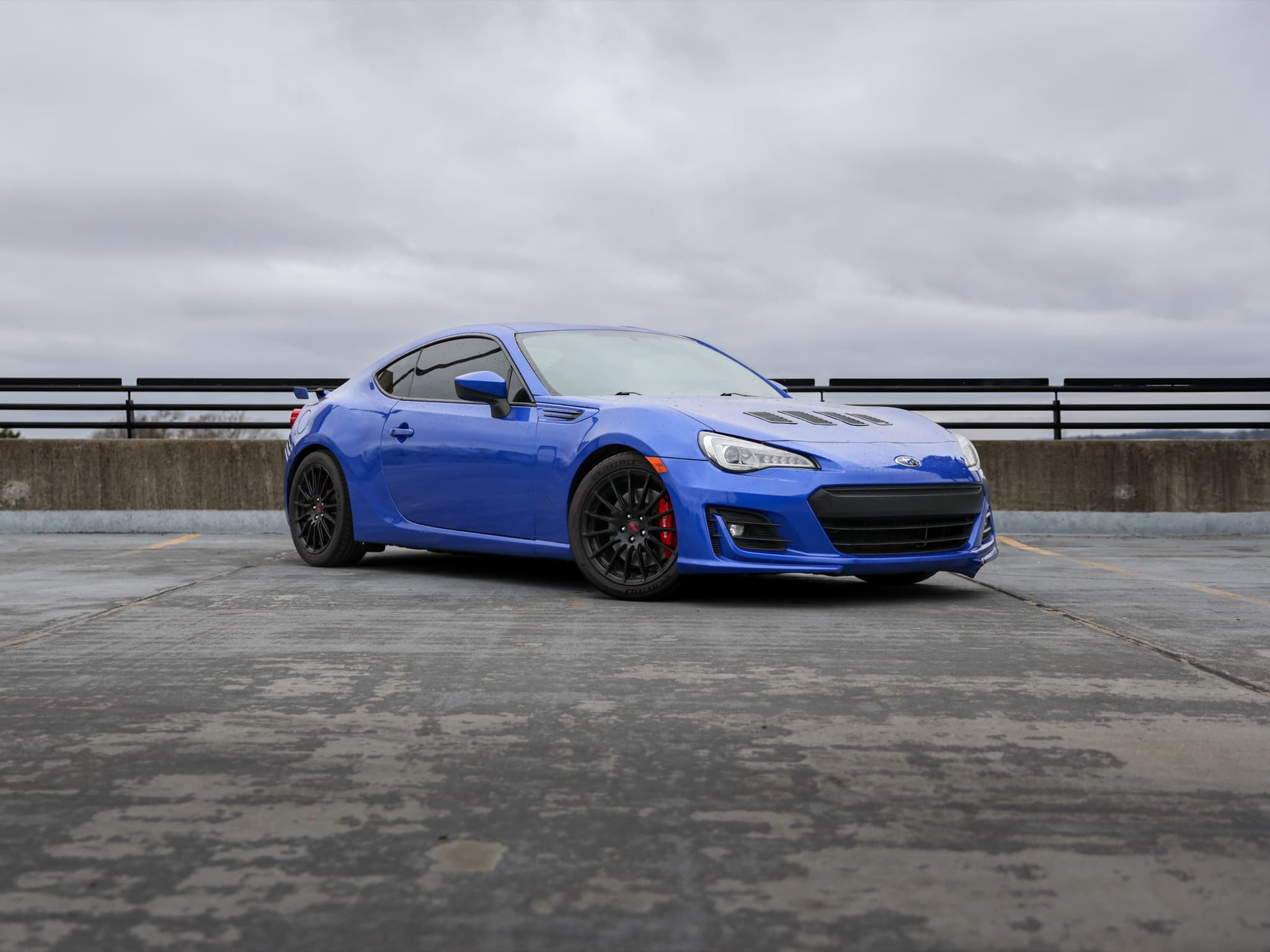
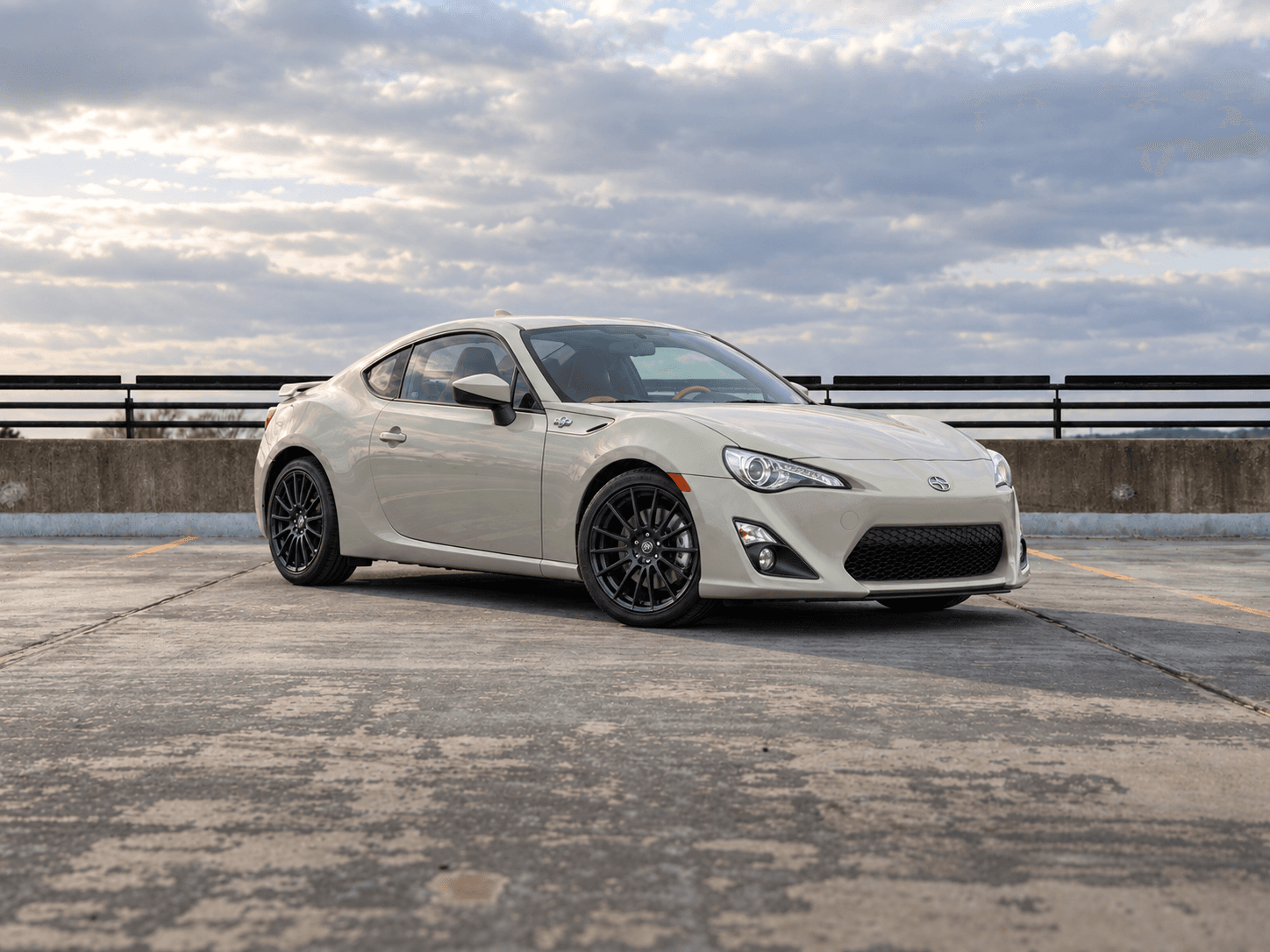
D865 Credits accumulate on direct bookings only. Credits from referrals, repeat bookings, and promotions are tracked in our direct booking system and apply to future reservations. There's no equivalent loyalty mechanism in Turo's host relationship — your booking history on Turo belongs to Turo, not to us. Repeat renters who prefer the BRZ or the Supra and are building a history with us will get more value from the direct side over time.

Communication is faster direct. Messages on Turo go through the platform inbox and can have delays based on notification timing and platform routing. Texting us directly gets a faster response and a more personal one — you're talking to the people who maintain the cars, not a support queue. If something comes up during your rental, direct communication is genuinely better.

Insurance comparison — direct vs. Turo

The insurance picture is different between the two channels and it's worth understanding before you book. On the Turo side, every booking has a protection plan (Basic, Standard, or Premier) that provides clearly defined coverage: physical damage to the vehicle, third-party liability, and defined deductible amounts. Turo's plans are structured products that you can compare and choose at checkout. The coverage is real and the terms are transparent.

On the direct booking side, we require you to bring your own insurance coverage — your personal auto policy must extend to rental vehicles and provide comprehensive and collision coverage. We verify a current insurance card at pickup. If you carry liability-only on your personal vehicle and have no rental coverage, the direct channel isn't the right fit until you've sorted your coverage. If your personal policy fully covers rentals and your credit card adds primary coverage on top of that, direct booking is a clean and straightforward situation.

The practical implication: if your insurance situation is simple and complete (full personal auto coverage plus credit card backup), direct is clean and cheaper. If your insurance situation has gaps or you want the single-product solution that Turo's plans provide, the Turo service fee is worthwhile insurance of its own kind.

Cancellation policy comparison

Turo's cancellation policy for hosts (us) and guests (renters) is set by Turo's platform and governed by Turo's terms of service. Guests have a defined cancellation window with partial or full refunds depending on how far in advance they cancel. Turo enforces these policies consistently and mediates disputes. The platform structure means both parties know the rules before booking.

Direct booking cancellation terms are governed by our rental agreement, which is disclosed at booking. We maintain a clear cancellation policy for direct bookings — cancellations with appropriate notice receive full or partial refunds per the agreement terms. For renters who need flexibility, understanding the specific cancellation window in our direct agreement is worth doing at booking time rather than when plans change.

In our experience, flexible renters who might need to cancel or modify a booking are slightly better served by Turo's structured, platform-enforced cancellation terms — particularly for short-notice changes. Direct renters who have a firm plan are better served by the direct rate. This is a real tradeoff, not a marketing statement.

How the process differs end to end

On Turo: you search the Turo app or website, find the car listed under Drive865's host profile, select dates, choose a protection plan, and complete booking through Turo's checkout. The lockbox code and pickup instructions come through the Turo app. During the rental, communication goes through Turo's platform. Return photos go through the Turo return flow. Any issues go through Turo's support first.

Direct: you visit Drive865's website or reach us through direct channels, select the car and dates, pay directly, and receive the booking confirmation and lockbox code by email or SMS. During the rental, you text or email us directly. Return photos go directly to us. Any issues are handled directly without a platform intermediary. This is generally faster and more flexible — we can make real-time judgment calls that Turo's automated systems can't.

Neither process is complicated. The Turo process is more familiar if you've used Airbnb or other platform-mediated rentals. The direct process is simpler in the sense that there are fewer steps and fewer screens, but it requires a direct relationship rather than platform-mediated trust. Most of our renters who start on Turo switch to direct after their first successful booking.

The honest recommendation

First-time Drive865 renter: either channel works. Turo provides trust infrastructure that has real value if you've never rented from a small off-airport operator before. Pay the service fee once to see how we operate. If it goes well — and it will — book direct on your next visit.

Returning renter who knows what to expect: book direct. The price difference is real, the promo codes are direct-only, and the credits accumulate. There's no additional value Turo is providing to a renter who already knows the fleet, knows the pickup process, and knows how we communicate.

Insurance-conscious renter without solid personal coverage: Turo's protection plans are the right tool for your situation. The Premier plan's comprehensive coverage is worth the service fee premium if the alternative is being uncovered or underinsured. Sort out your personal policy for the long run, but don't skip coverage in the short run.

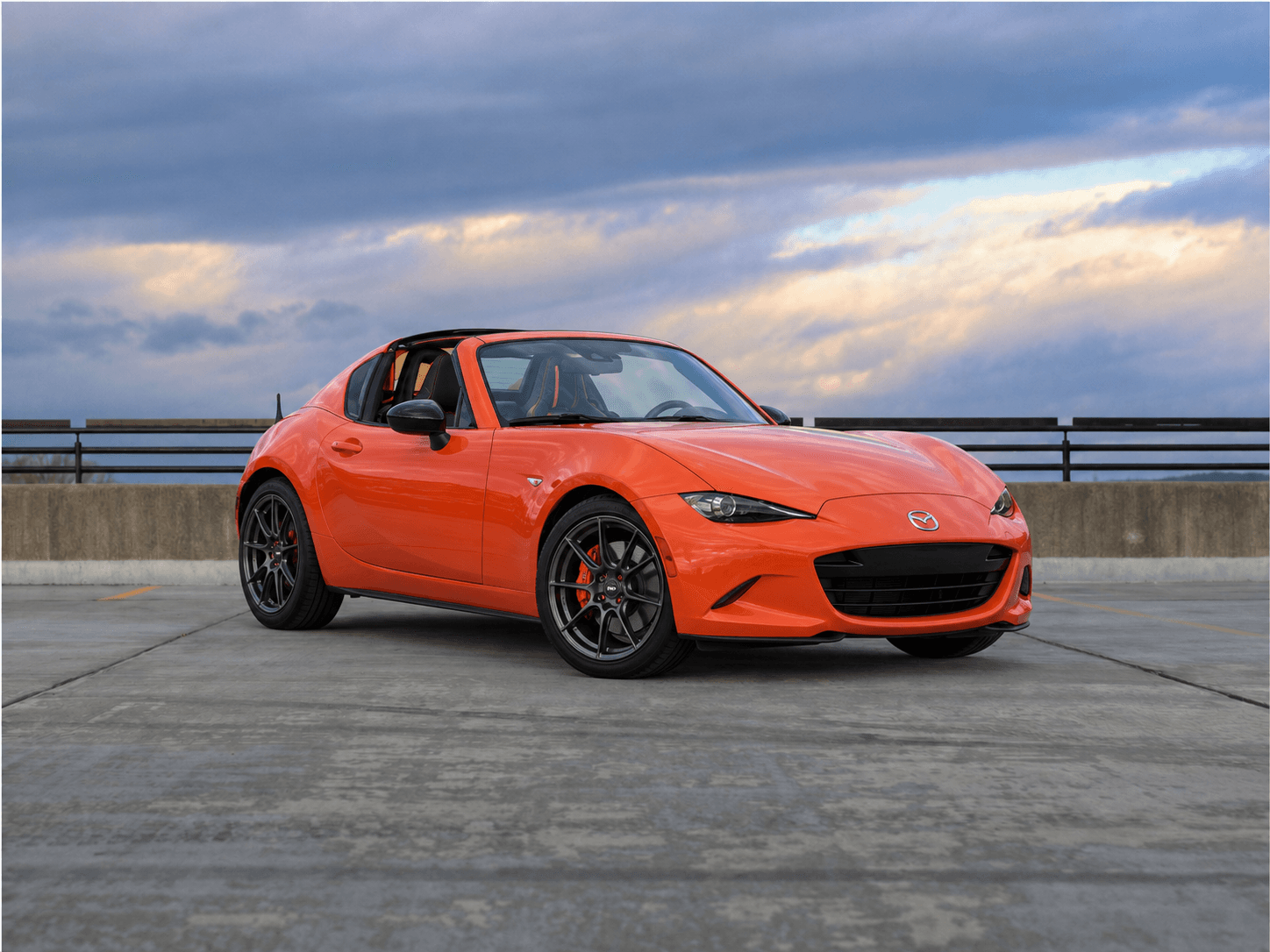
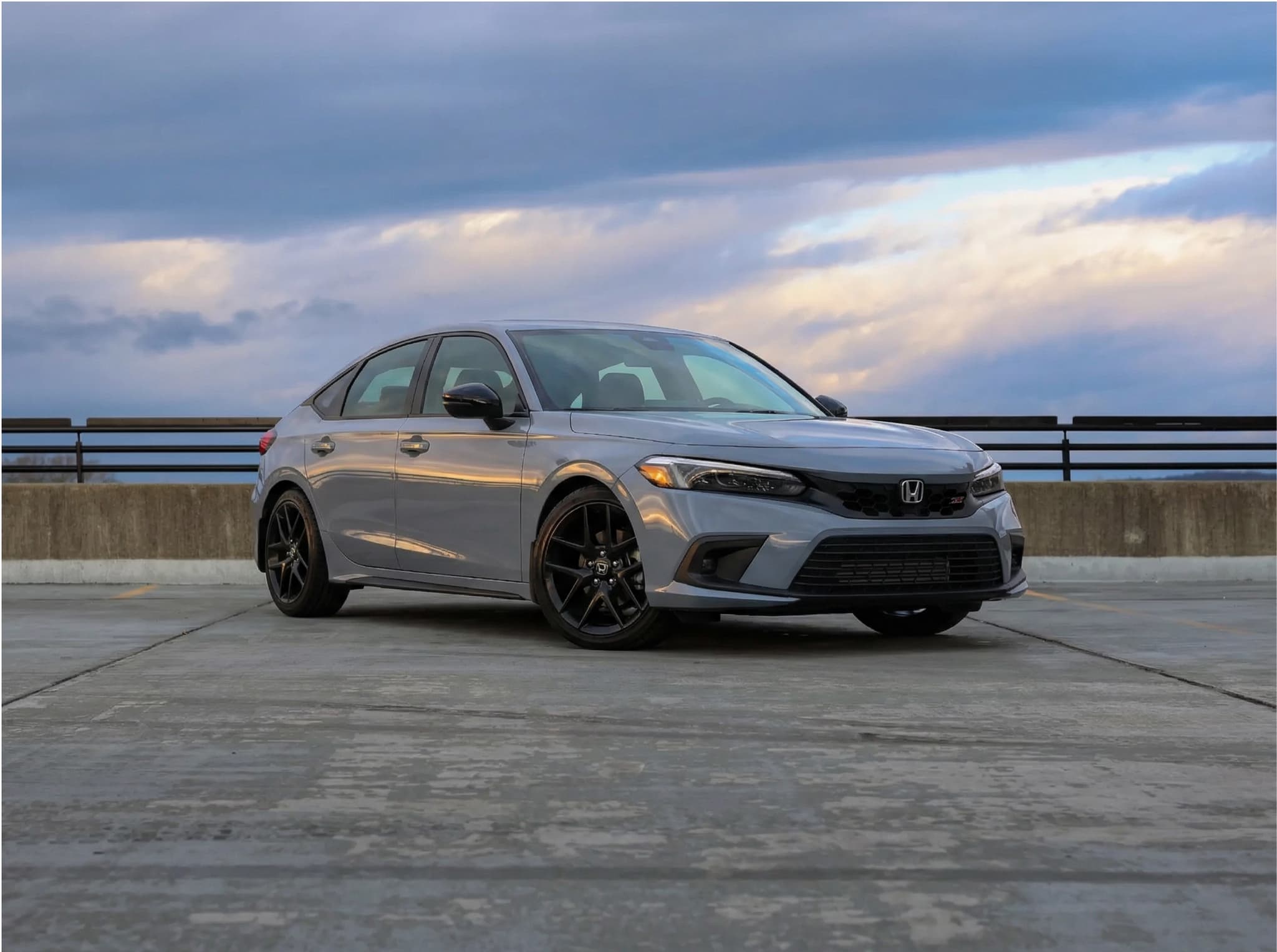
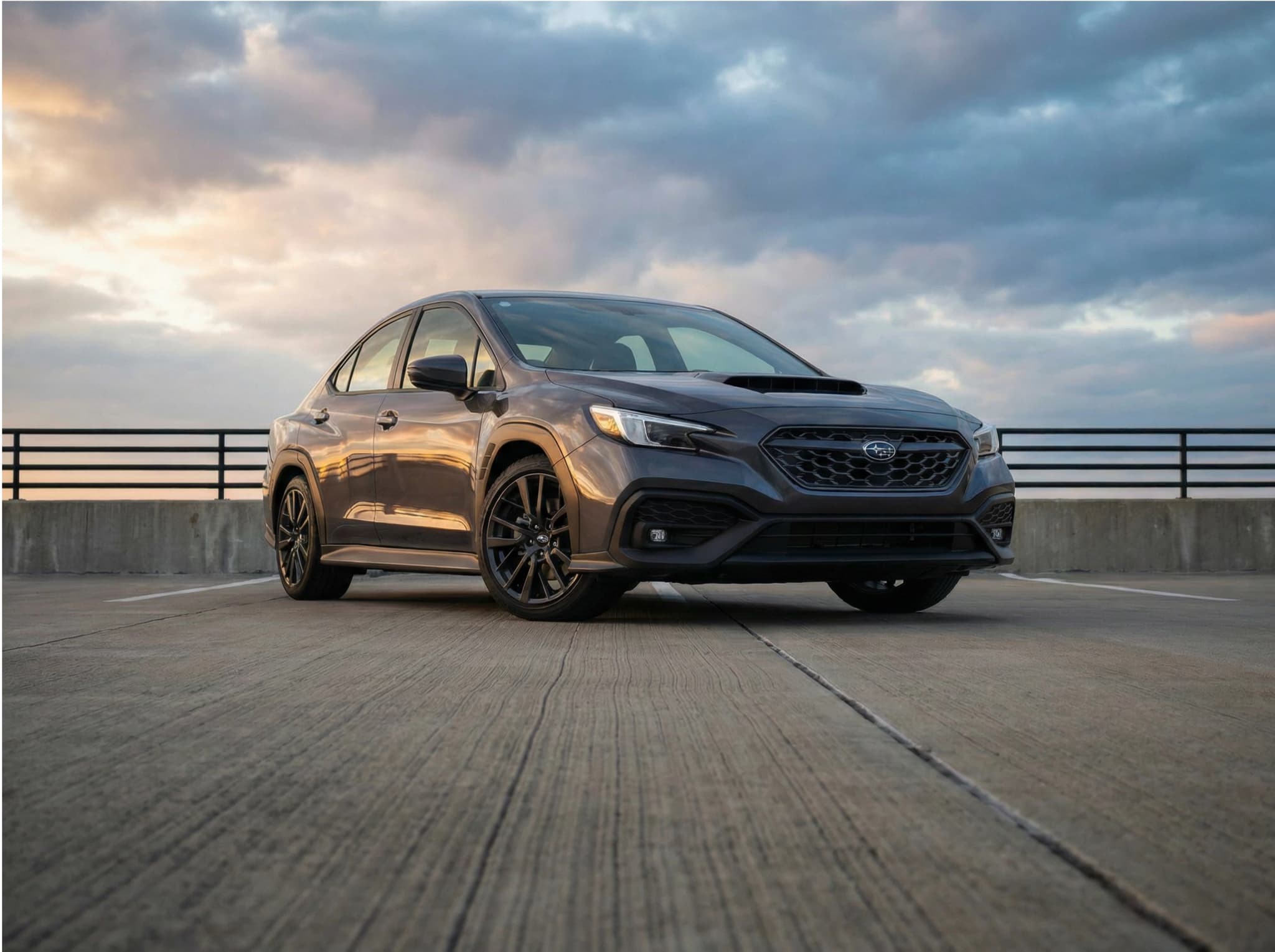
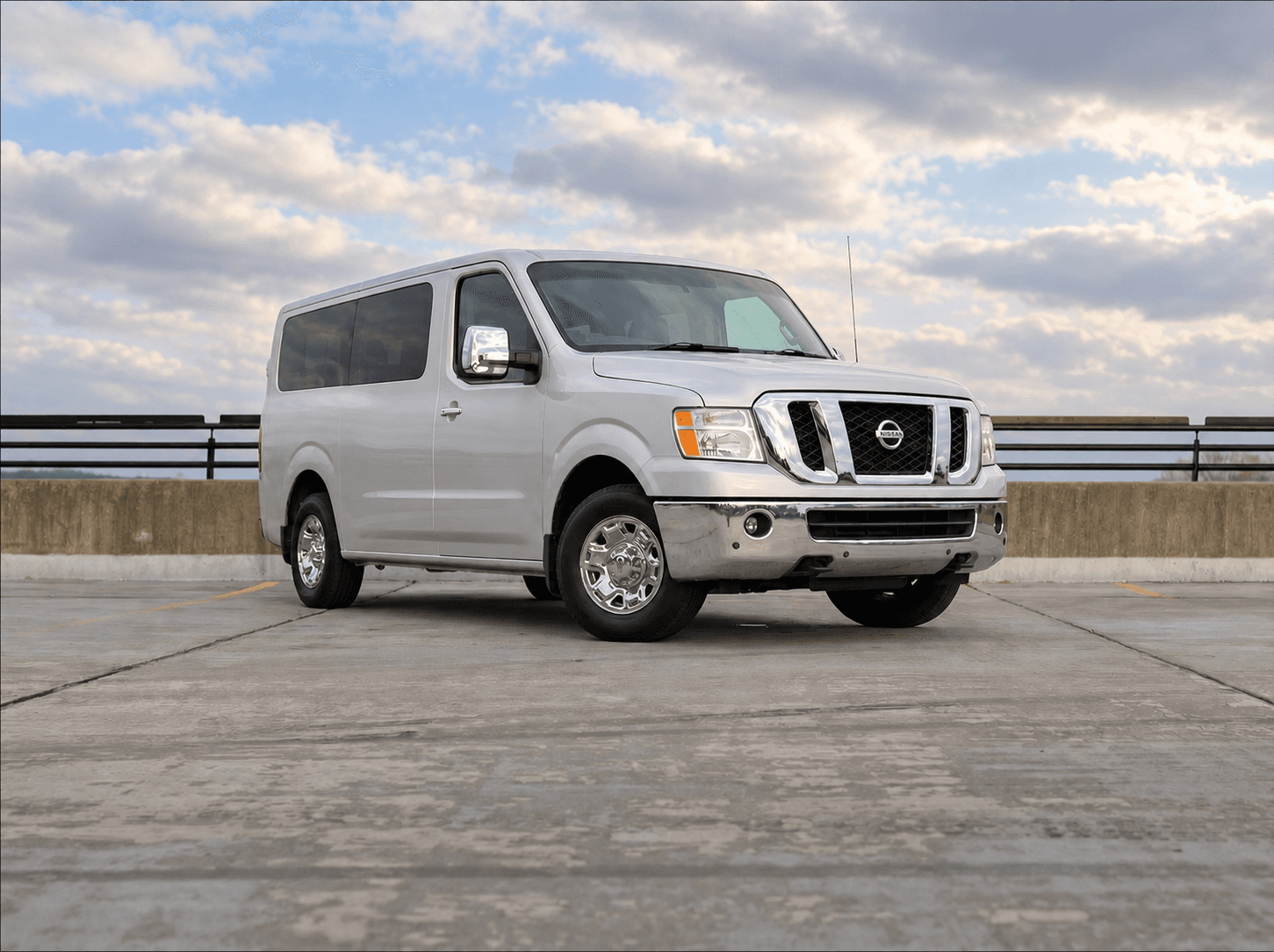
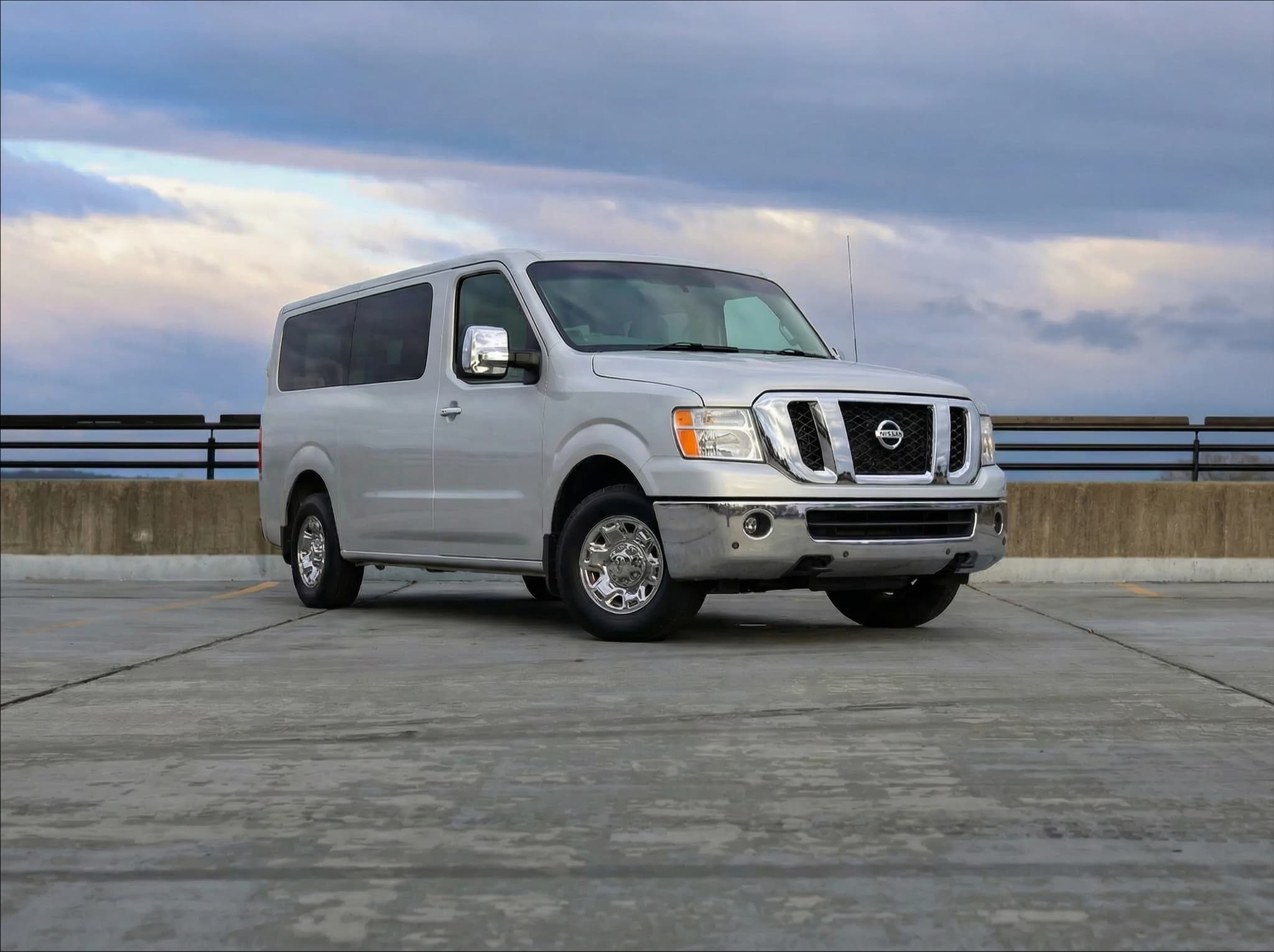
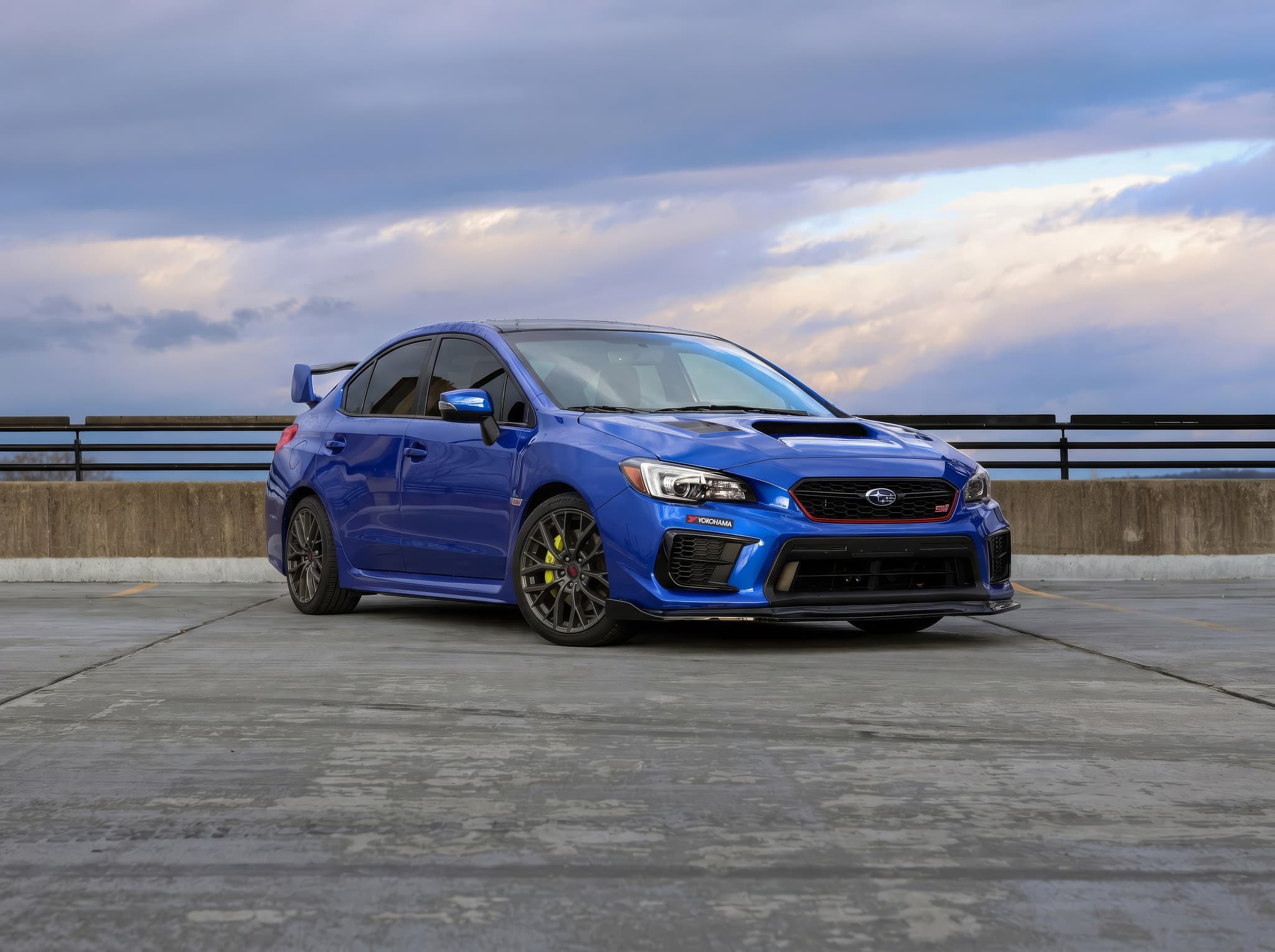
Cars referenced in this guide

See full fleet →

Frequently asked questions

Are the prices really 10–25% cheaper when booking direct?

Yes. The direct rate doesn't include Turo's guest service fee, which typically runs 15–25% on top of the host rate at checkout. For a $150/day car over 3 days, the Turo total might be $490–530 after fees; the same rental direct is $450. The gap is consistent across the fleet and grows with trip length.

Is the car the same regardless of where I book?

Yes. The same car, the same maintenance standards, the same pickup process. The channel affects price, insurance structure, and communication flow — not the vehicle or the experience of driving it.

What are D865 Credits and how do I earn them?

D865 Credits are loyalty credits that accumulate on direct bookings — from repeat rentals, referrals, and periodic promotions. They apply as discounts to future direct bookings. There's no equivalent program on the Turo side. If you rent from us more than once a year, the credits add up.

What if I have a problem during the rental and I booked through Turo?

Text or call us directly regardless of booking channel — we're reachable during your rental by SMS at any time. Turo's support is also available through the app. For most in-rental situations (lockbox question, car question, logistics change), we can handle it faster directly. For formal disputes or documentation, the Turo channel's record is useful.

Can I cancel a direct booking if my plans change?

Yes, per the cancellation terms in your rental agreement, which are disclosed at the time of booking. Cancellations with sufficient advance notice receive full or partial refunds per the agreement. Read the cancellation terms at booking — don't assume.

Do I need insurance to book direct?

Yes. Direct booking requires a current personal auto insurance policy that extends to rental vehicles, with comprehensive and collision coverage. We verify your insurance card at pickup. If your personal policy is liability-only or doesn't extend to rentals, Turo's protection plans are the cleaner solution.

Why should I book direct if I already have a Turo account?

Price and loyalty value. A Turo account is a platform credential — it stays on Turo. A direct booking relationship with Drive865 is a direct relationship: credits accumulate, we know your preferences, and communication is faster. If you've confirmed we're reliable through a Turo booking, the next logical step is the direct channel.

Related

← All Guides

Book direct. Skip the service fee.

From $88/day