Guide // Drive865 for first-timers
Sports car rental: first-time driver guide
Reality first, enthusiasm second. Here's what driving a sports car actually feels like, how it differs from your daily driver, what you should and shouldn't do, and which car to rent first.
Quick answer
Explore our active enthusiast cars, with each car’s actual seating, transmission and drivetrain shown below. Choose Maryville pickup or contactless delivery at McGhee Tyson Airport (TYS). Review the pickup instructions for your confirmed booking before traveling.
What 'driving a sports car' actually means, vs. what you might expect
Most people's mental model of a sports car comes from video games, movies, and advertising: it's fast, it corners perfectly, and it does everything the driver wants without consequence. The reality is more interesting and more demanding. A sports car is communicative: it tells you more about what's happening at the tires and chassis than a normal car, which is what makes it enjoyable. But that information comes with responsibility: the car is also less forgiving of driver error because there's less isolation between your inputs and the road surface's response.
In a daily driver (a sedan, a crossover, an SUV), the suspension is soft enough to absorb road imperfections without communicating them, the steering is light and slightly vague, and the brakes are tuned to be progressive rather than sharp. These characteristics make daily drivers easy and comfortable. In a sports car, the same inputs feel different: the steering is heavier and more precise, the brakes bite sooner, and the suspension transmits corner forces to the seat in ways you're not used to feeling.
This isn't a warning against sports car rental; it's context for why the first hour matters. Your brain will need time to recalibrate what the car is telling you. The first 30 minutes in any unfamiliar sports car should be spent at 6–7 out of 10 of your own capability, reading the car, not pushing it. This isn't timidity; it's how experienced drivers approach an unfamiliar machine.
Seat position: the thing most first-timers get wrong
In a sports car, you sit lower to the ground than in a normal car. This is expected. What isn't always expected is that the proper seat position is also further back than most people initially set it. The correct position: slide the seat back until your arms are slightly bent when your hands are at 9 and 3 on the steering wheel. Your left leg should reach the clutch pedal fully extended with a slight bend at the knee, not cramped, not stretched.
The common mistake is sitting too close. When you're close to the wheel, your arms are cramped, your steering inputs are shorter arcs rather than smooth sweeps, and your body is too upright for the car's geometry. Slide back. A slight recline in the seatback is also common in a sport seat. You're not driving a school bus.
Once the seat is in position: adjust the mirrors so you can see the rear corners of the car and the road behind without moving your head. In a sports car on a technical road, your mirrors are constantly in use for traffic awareness. Take 60 seconds to get this right before you leave the lot. It's the single most impactful ergonomic adjustment you can make.
What not to do on your first sports car rental
Don't turn off stability control. Especially not on your first run on an unfamiliar road. Stability control saves cars at the limit: the moment when the back steps out further than you intended, the moment when corner entry was slightly too fast. First-time sports car renters aren't yet calibrated to the car's specific limit. Stability control is your calibration tool. Use it.
Don't take the car to its rev limiter. The rev limiter is not a recommended operating zone. It's a hard stop to prevent engine damage. Short-shifting (changing gear before the limiter) is better for the engine and for lap times. The car doesn't make more power at the redline than it does at peak power RPM, which is always well below the limiter. Bouncing off the limiter in a rental is abuse, audible, and documented.
Don't use the car as a classroom for new techniques. Heel-toe downshifting, left-foot braking, trail-braking into apexes: none of these should be learned for the first time in a rental car on a mountain road. Learn them first on familiar roads, then practice them. The Dragon is not the place to figure out if you can rev-match under pressure.
- Keep stability control on, especially on wet roads or unfamiliar corners
- Don't bounce off the rev limiter; short-shift instead
- Don't try techniques you haven't practiced elsewhere first
- Don't tailgate; sports car brakes are good, but the car behind you may not stop as fast
- Don't make aggressive launch starts; transmission and clutch abuse starts there
Current cars for your trip
See full fleet →Compare prices for your dates
8 current options. Enter your trip times once, then choose a vehicle to check availability.
Earliest pickup: today at 3:30 PM ET.
Estimates include rental taxes. Optional extras and airport exit parking are separate. Your dates carry through to the vehicle page.
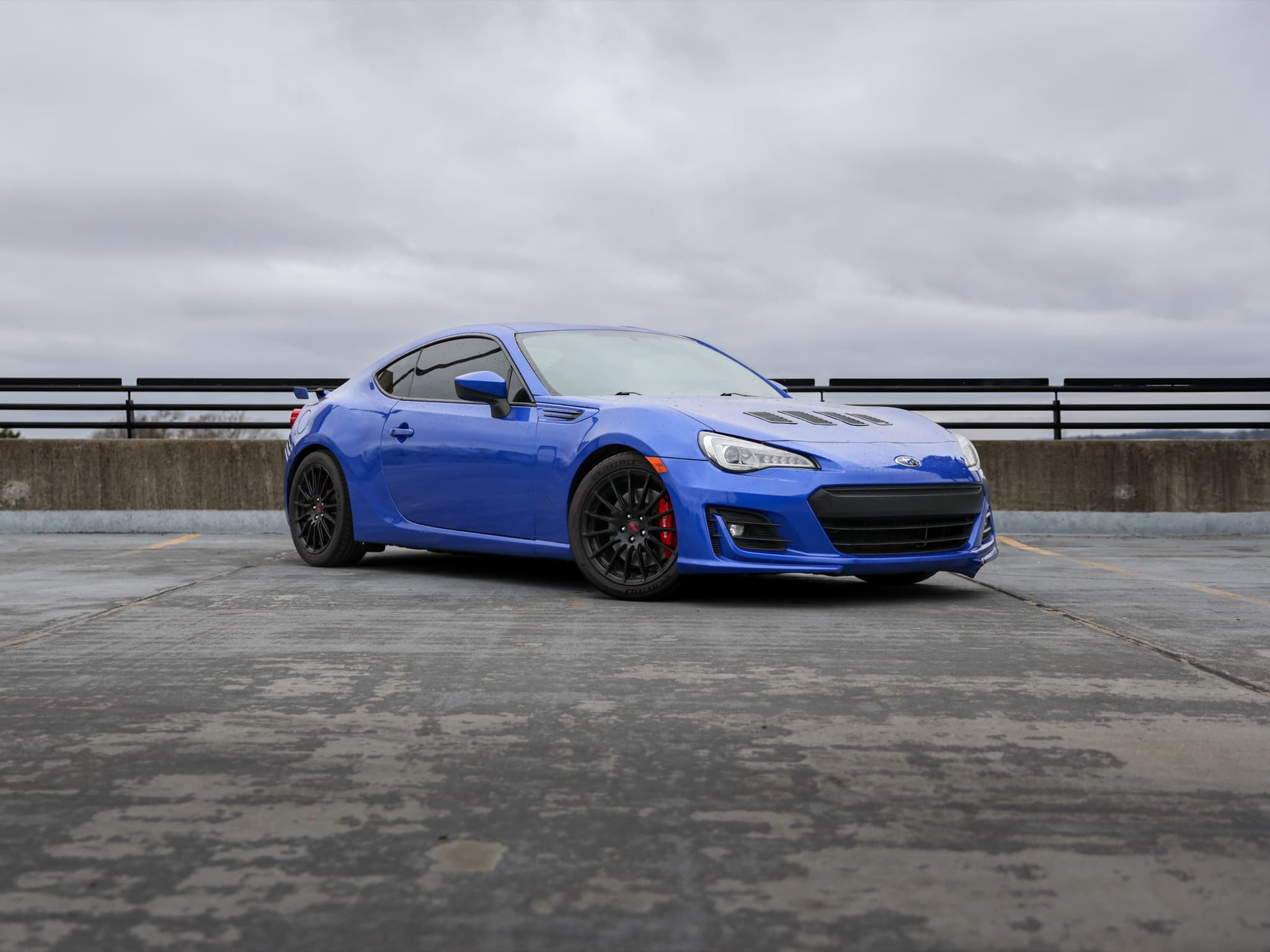
2020 Subaru BRZ Limited
4 seats · Manual · RWD
View vehicle & pricing →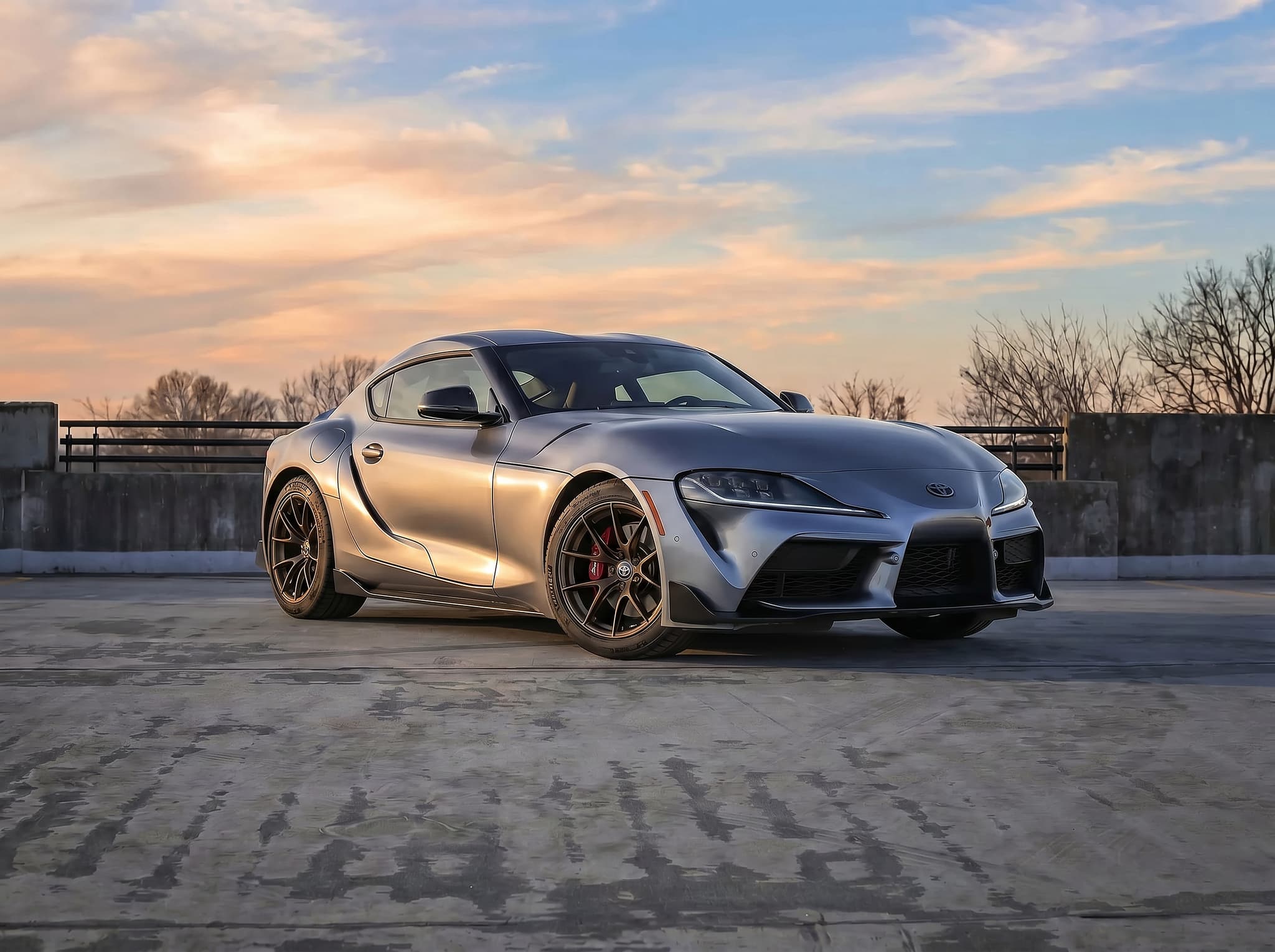
2021 Toyota Supra 3.0 Premium
2 seats · Automatic · RWD
View vehicle & pricing →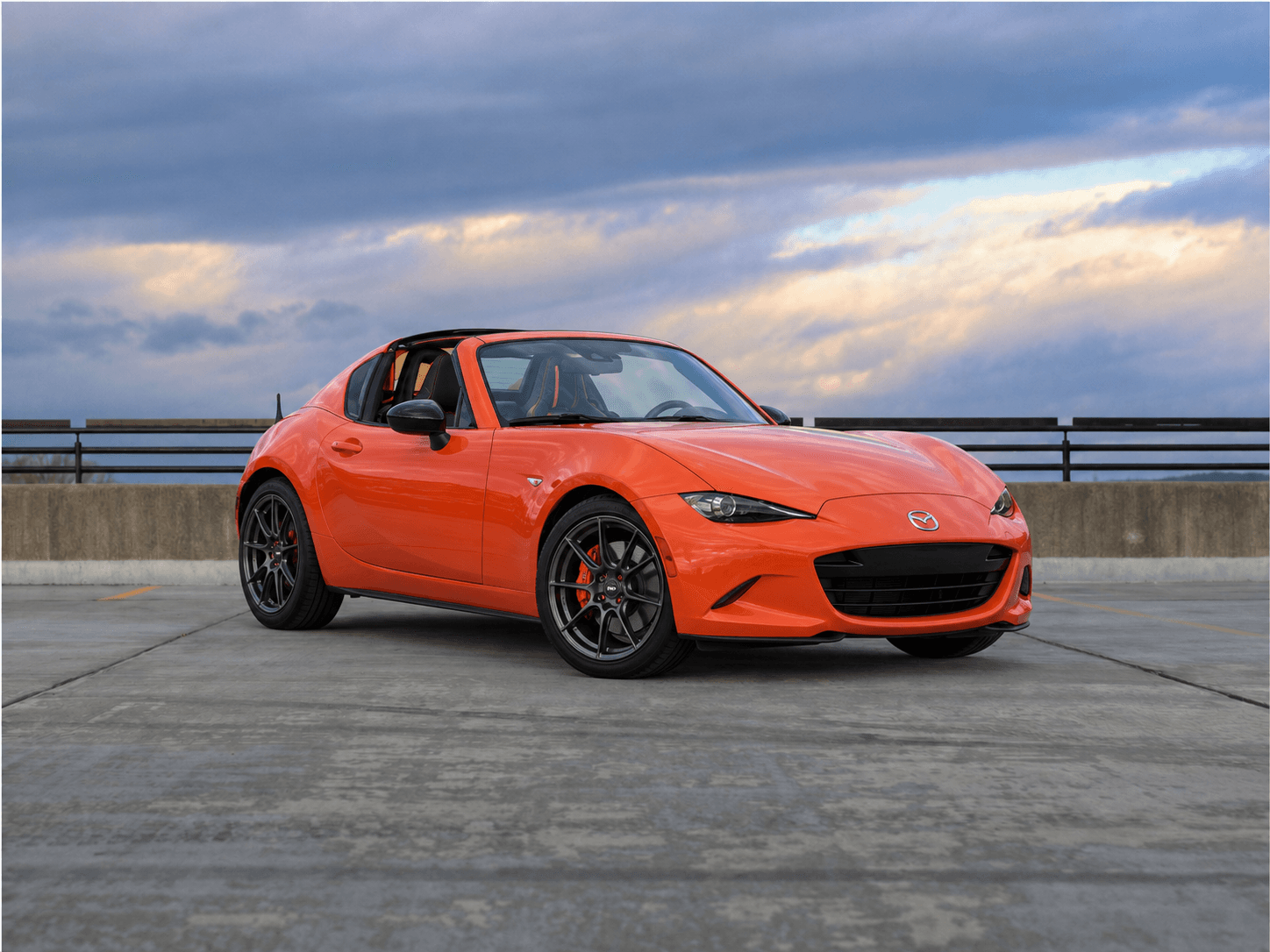
2019 Mazda MX-5 Miata RF 30th Anniversary
2 seats · Manual · RWD · Convertible
View vehicle & pricing →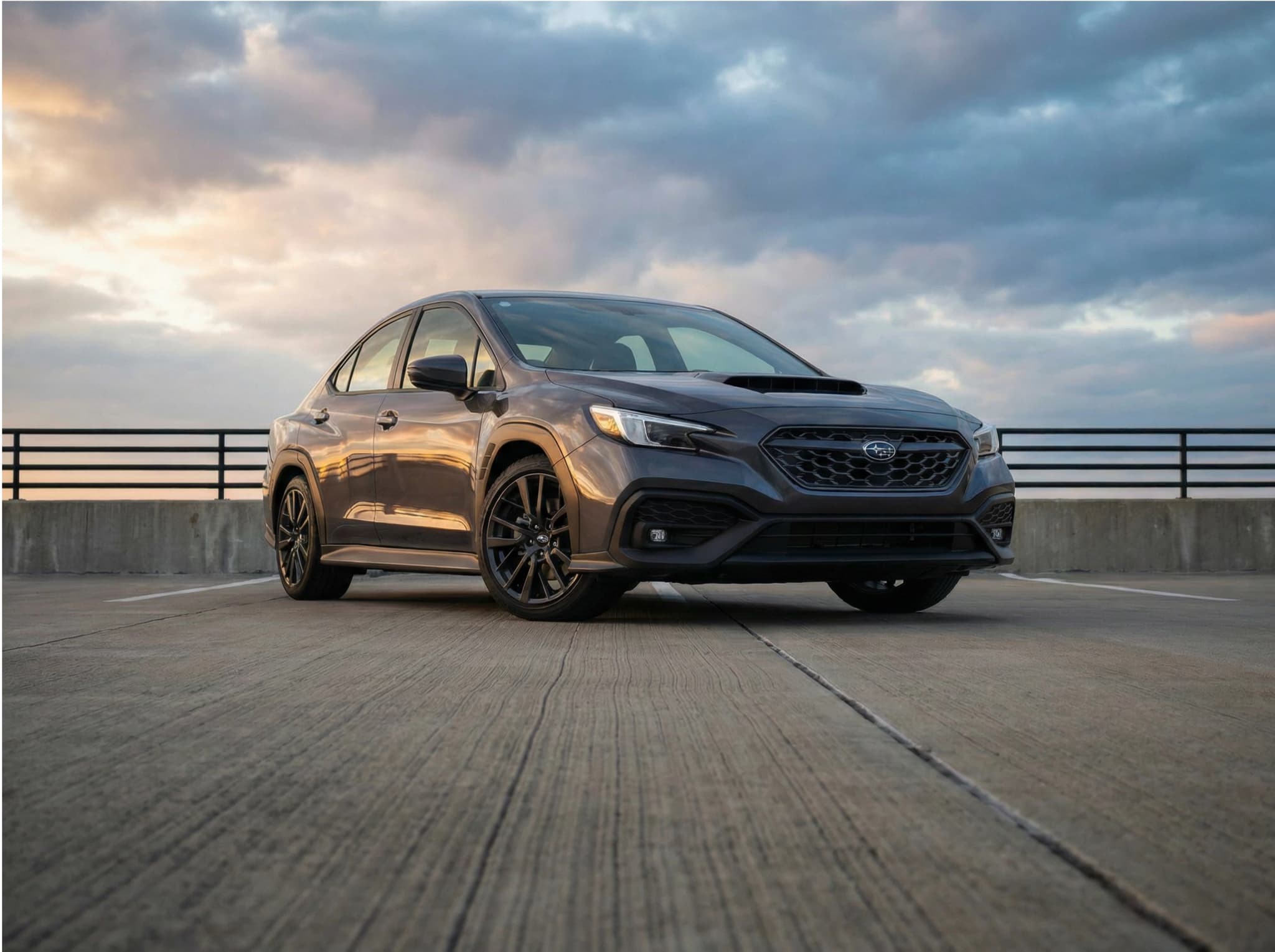
2022 Subaru WRX GT
5 seats · Automatic · AWD
View vehicle & pricing →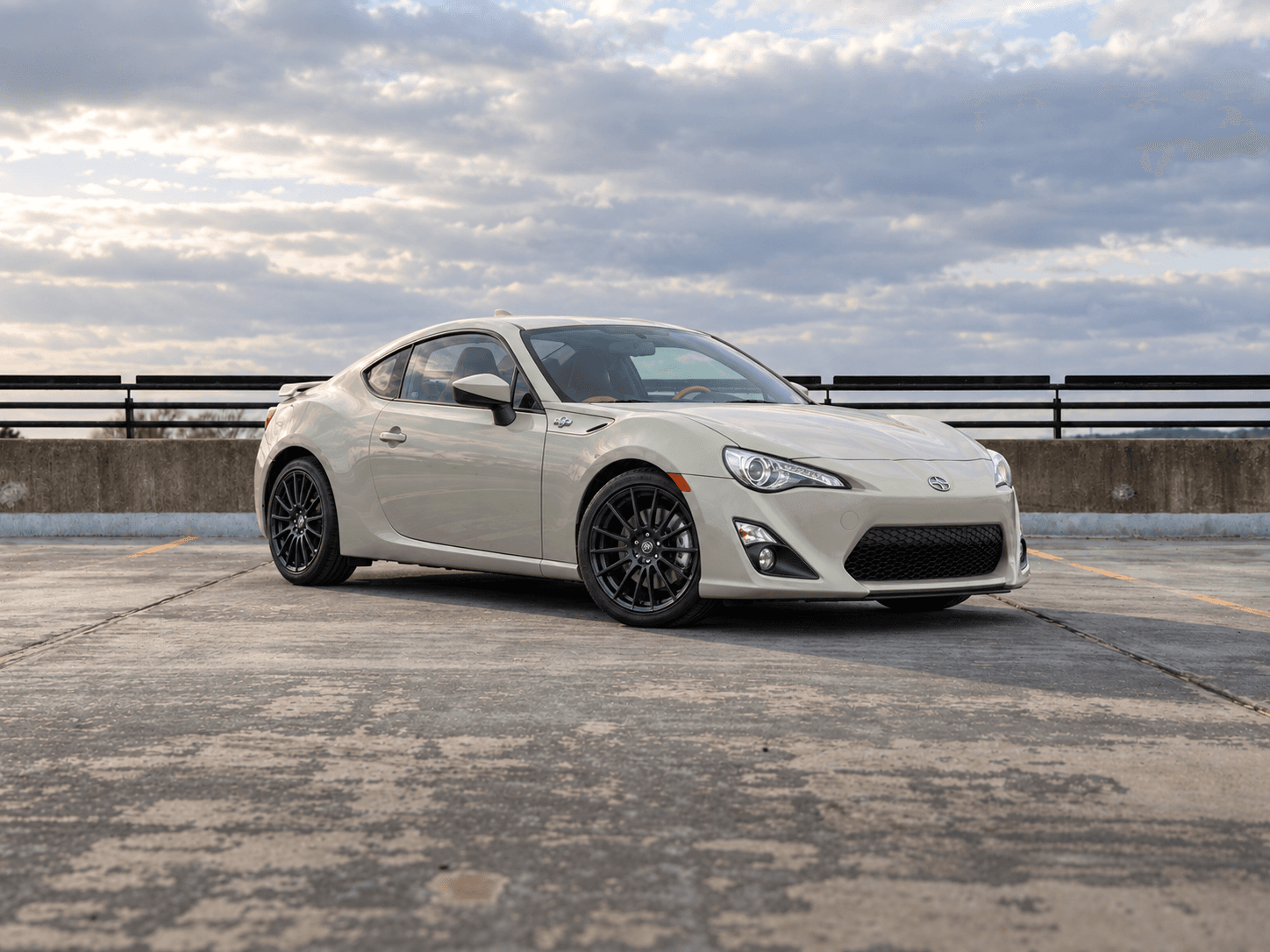
2016 Scion FR-S Release Series 2.0
4 seats · Manual · RWD
View vehicle & pricing →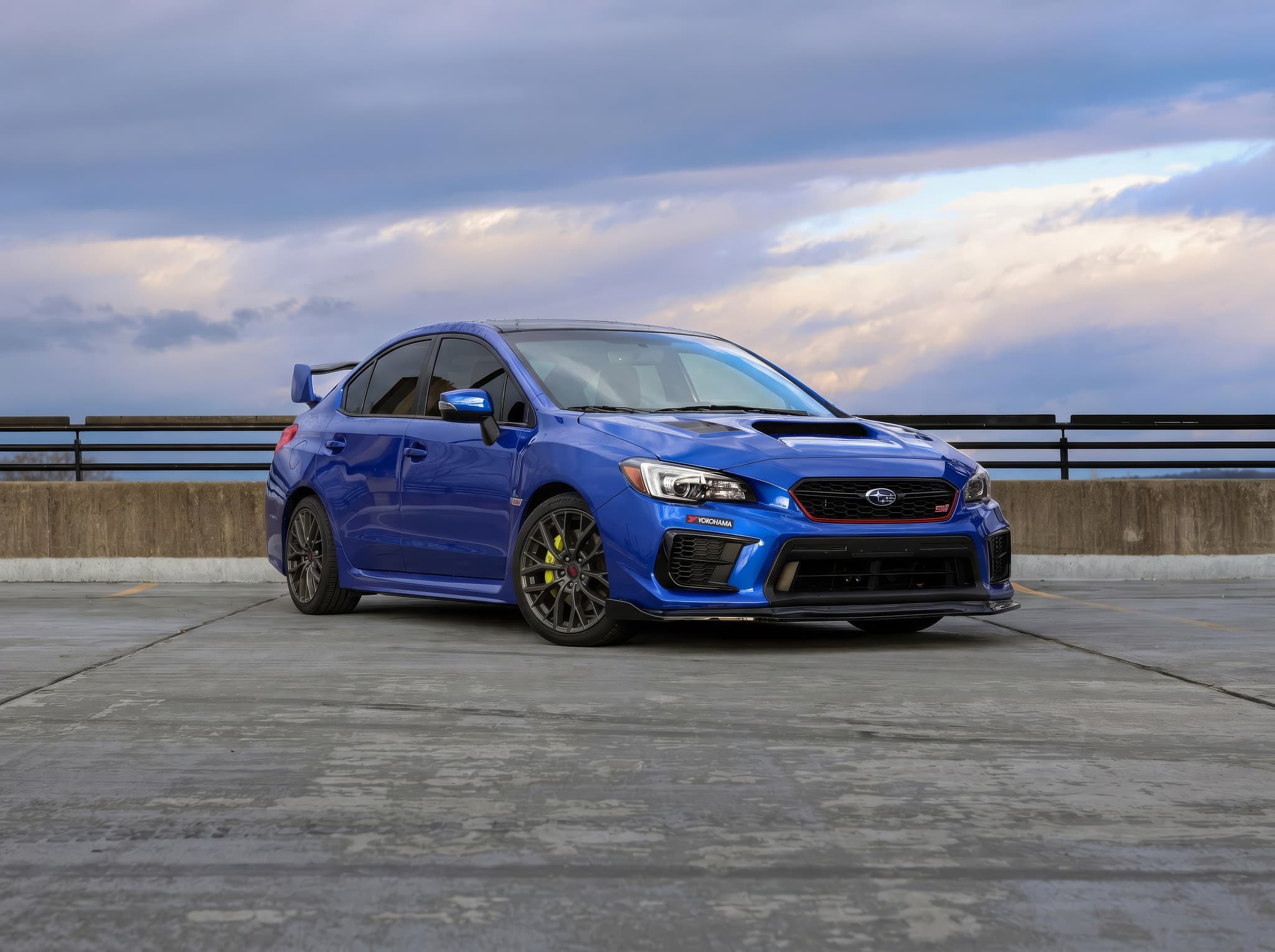
2021 Subaru WRX STI Base
5 seats · Manual · AWD
View vehicle & pricing →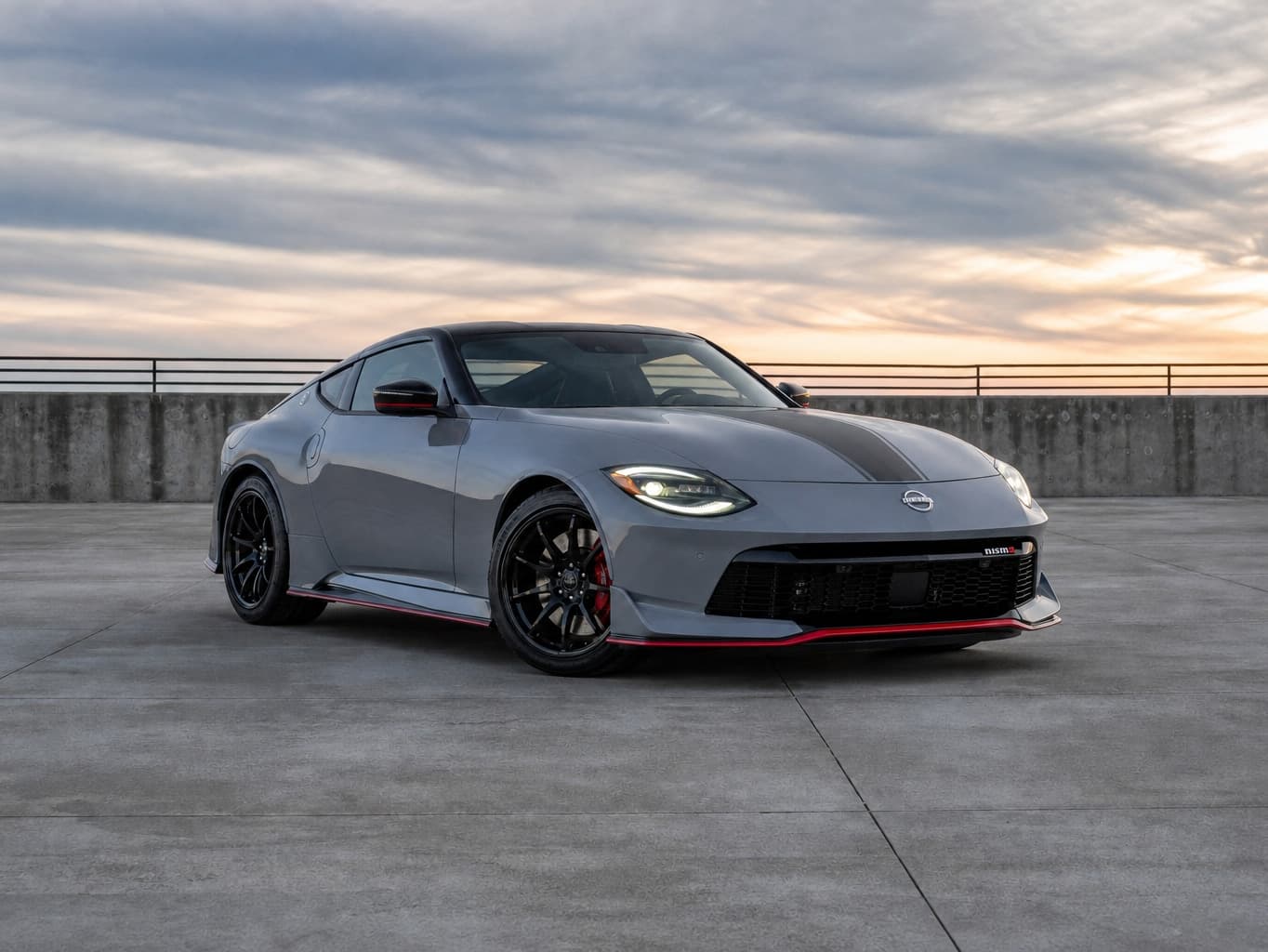
2024 Nissan Z NISMO
2 seats · Automatic · RWD
View vehicle & pricing →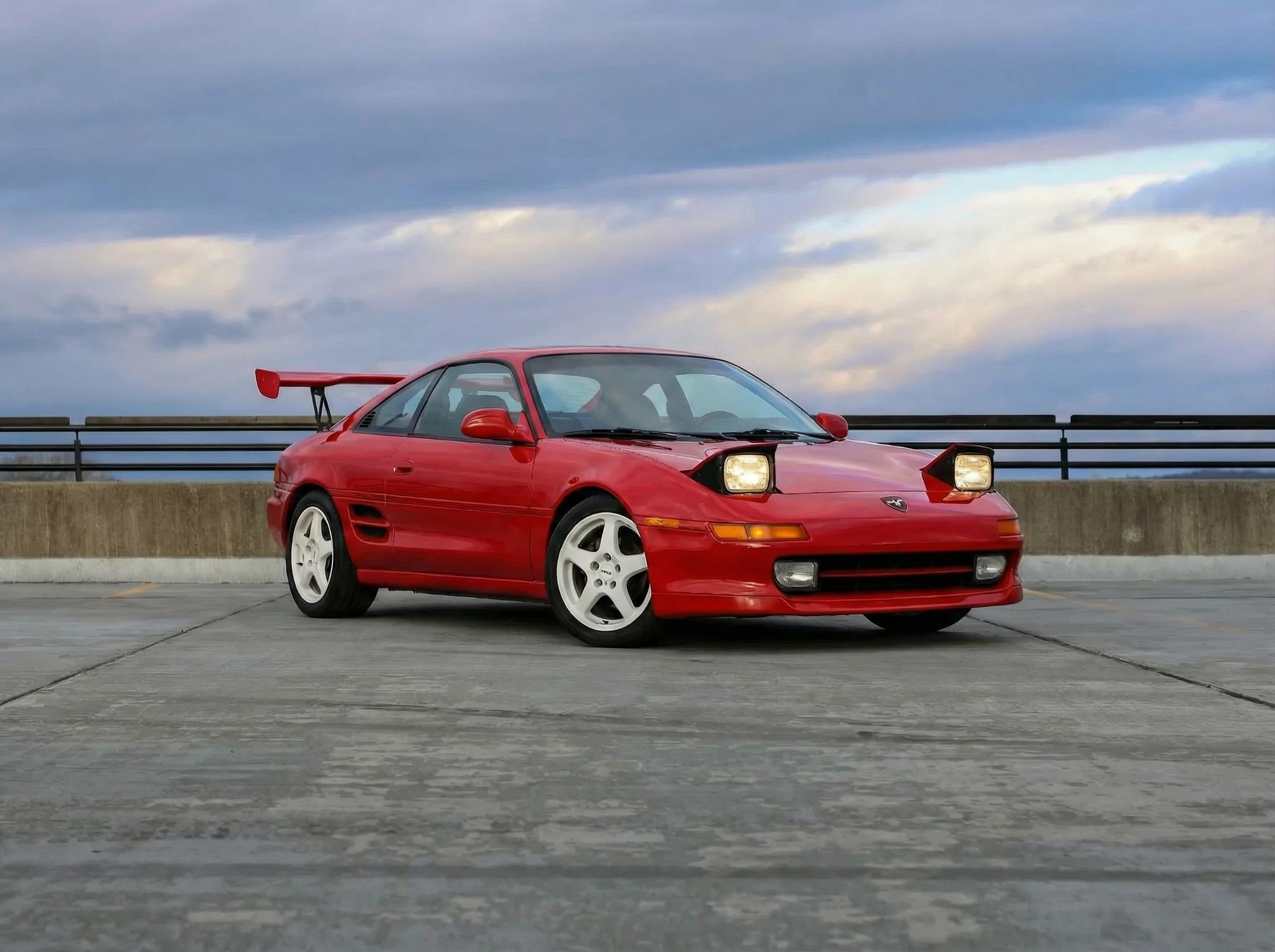
1994 Toyota MR2 GT-S
2 seats · Manual · RWD
View vehicle & pricing →Ready to request a trip? You'll create an account, verify your email and phone, and provide your driver's license, a selfie and insurance details before submitting. A request is reviewed before your booking is confirmed.
Need help with seating, luggage or pickup? Ask us before you book.
Frequently asked questions
What if I haven't driven a manual in a few years?
Shake off the rust before you go to the Dragon. 20–30 minutes of manual driving on flat, low-traffic roads before you head to the mountains is the right move. The Foothills Parkway is also a good warm-up: 35–45 mph, sweeping corners, no technical demands. By the time you finish the Foothills Parkway, you'll know whether you're ready for the Dragon.
Is it okay to turn off stability control?
Not for first-timers on mountain roads. Stability control exists to catch the car when a moment exceeds your ability to correct it, and on an unfamiliar road in an unfamiliar car, moments happen. Leave it on. Experienced drivers on closed courses or very familiar roads sometimes disable it for specific reasons; on a public mountain road for a first-time sports car renter, it stays on.
How do I find the right seating position in a sports car?
Slide the seat back until your arms have a slight bend at 9 and 3 on the wheel. Left leg reaches the clutch with a slight bend when fully extended. Slight recline in the seatback. Headrest supporting the center of your head. Adjust mirrors so you can see the rear corners of the car without turning your head. This takes 60 seconds and makes the next four hours significantly better.
What's the biggest mistake first-time sports car renters make?
Sitting too close to the steering wheel, which compresses their inputs and tires their arms. Second: entering corners too fast because the car feels stable up until it isn't. Third: being too aggressive with throttle on corner exit in a RWD car, which causes the rear to step out unexpectedly. Fourth: not adjusting expectations. A sports car rental on mountain roads is not a video game, and the roads are one-directional and public.
How do I see pricing and request a booking?
Open a vehicle and select your trip start and end dates and times to see pricing. A listed vehicle is not a guarantee of availability for your dates. Continue from the vehicle page to submit a booking request.
Where do I collect the car?
Choose Maryville pickup or contactless delivery at McGhee Tyson Airport (TYS). Review the pickup instructions for your confirmed booking before traveling. Airport delivery has no separate delivery charge. Customer responsible for airport parking fee upon exit, typically no more than $13
Related
Related
Manual transmission rental: what to know
Clutch weight, hill starts, what to practice, and clutch care on a rental. The manual companion to this guide.
Related
Driving Tail of the Dragon for the first time
The road most Drive865 sports car renters are headed to. What to expect, how to read blind corners, and how it goes.
Related
Best car for Tail of the Dragon
Choose a car you are comfortable driving and plan your US-129 route.
Related
Under-25 car rental in Tennessee
How to check current driver requirements and prepare for a rental.
Current sports cars